As welding operations scale and quality demands tighten, traditional tower rotators often become a bottleneck: limited visibility, manual adjustments, and unplanned downtime eat into productivity. An IoT-enabled tower rotator transforms this critical piece of equipment into a smart, connected node that communicates with your production system in real time. With sensor-driven data and remote controls, you can optimize weld consistency, reduce scrap, and make predictive maintenance decisions that keep your line running. This article explores how integrating an IoT rotator — specifically from BOTA — can upgrade your welding line, comparing it with conventional solutions and highlighting the measurable benefits for modern fabrication shops.
How an IoT-Enabled Tower Rotator Redefines Welding Line Efficiency
A tower rotator is the heart of many pipe and vessel welding stations, rotating heavy components so welders or automated heads can work at optimal positions. Adding IoT capability means the rotator becomes a data generator and actuator. Sensors track rotation speed, torque, temperature, vibration, and weld position accuracy. This data flows to a central dashboard where operators see real-time performance metrics and receive alerts when parameters drift. Instead of relying on manual checks or periodic inspections, the system flags anomalies immediately — allowing immediate correction before a defect passes through.
Furthermore, IoT connectivity enables remote parameter tuning. A shift supervisor can adjust rotation speed from a tablet while walking the floor, or a QA engineer can analyze historical weld data to pinpoint the root cause of a repeated inconsistency. The result is a closed-loop control environment that improves first-pass yield and reduces rework. For a line that runs multiple product sizes, the IoT rotator can automatically load preset profiles (speed, acceleration, weld position) for each workpiece, eliminating setup errors and changeover delays.
Real-Time Performance Dashboards
BOTA’s IoT-enabled tower rotator interfaces directly with your existing MES or SCADA systems via standard protocols (MQTT, OPC-UA). The dashboard displays key performance indicators such as rotation accuracy, cycle time, motor load, and temperature trends. If a bearing begins to overheat or a drive belt slips, the system sends a push notification to maintenance teams — often before a breakdown occurs. This shift from reactive to predictive maintenance saves hours of unplanned downtime and extends equipment life.
Key Advantages Over Conventional Tower Rotators
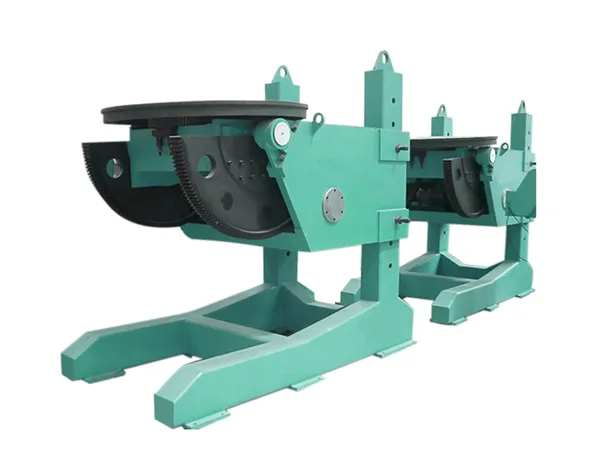
To illustrate why upgrading matters, here is a direct comparison between a standard tower rotator and an IoT-enabled model.
…
Click here for more details on Upgrade Your Welding Line with IoT-Enabled Tower Rotator:https://www.tb-polishing-pads.com/news/upgrade-your-welding-line-with-iot-enabled-tower-rotator.html