
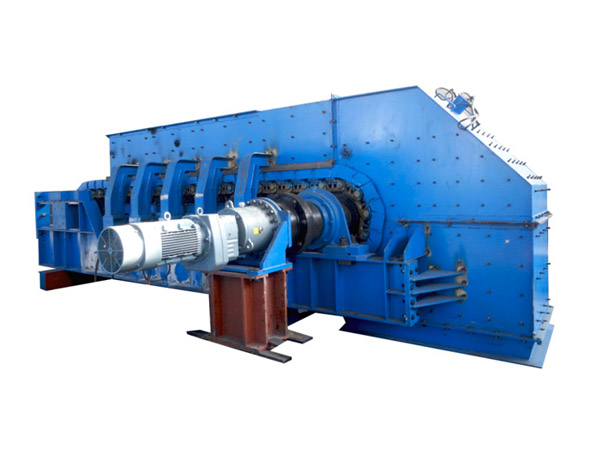
Industrial briquetting machines are robust pieces of equipment, but even the most reliable systems can encounter operational issues that lead to downtime, reduced output, or poor briquette quality. Understanding how to quickly identify and resolve these problems is critical for maintaining production efficiency. This guide outlines the most frequent briquetting machine malfunctions, their root causes, and practical solutions. Whether you are dealing with material jams, hydraulic failures, or inconsistent briquette density, the following troubleshooting steps will help you restore optimal performance. As a trusted industry partner, ZYmining has developed comprehensive service protocols to keep your equipment running at peak capacity.
Common Briquetting Machine Problems and Their Causes
Before diving into specific fixes, it is essential to recognize the symptoms that indicate a developing issue. Early detection can prevent costly repairs and extend the lifespan of your machinery. Below are the three most commonly reported problems in briquetting operations.
Feed Hopper Blockage or Material Bridging
When raw material fails to flow consistently into the compression chamber, the machine may starve or jam. This often results from oversized feed particles, excessive moisture content, or a worn feed screw. Operators may notice irregular feeding sounds or a sudden drop in briquette output. The immediate solution is to clear the hopper and screen the feed material to ensure uniform particle size. ZYmining recommends installing a pre-conditioning unit to adjust moisture levels between 8% and 12% before feeding.
Electric Motor Overheating
Motor thermal overload is a frequent complaint, especially during continuous high-throughput operations. Causes include prolonged operation above rated capacity, poor ventilation, or electrical phase imbalance. A hot motor tripping the thermal breaker requires immediate attention. Check for voltage fluctuations and ensure the cooling fan is unobstructed. In severe cases, the motor may need replacement with a unit that matches the machine’s power requirement. ZYmining machines are designed with oversized cooling systems to mitigate this risk, but if overheating persists, consult our technical support team.
Insufficient Briquette Density or Crumbling
Low-density briquettes that fall apart indicate inadequate compression force or incorrect material conditioning. This can stem from worn piston seals, low hydraulic pressure, or excessively dry feedstock. Verify the hydraulic system pressure gauge reads within the manufacturer’s specified range (typically 150–200 bar for medium-duty machines). Simultaneously, test the moisture content of the input material; too dry (<6%) prevents proper binding, while too wet (>15%) causes steam formation and weak structure. ZYmining provides a calibration chart for optimal pressure settings based on your specific raw material.
System Diagnostics: Hydraulics and Electrical Control
…
Click here for more details on Briquetting Machine Troubleshooting: Common Problems & Fixes:https://www.tb-polishing-pads.com/uncategorized/briquetting-machine-troubleshooting-common-problems-fixes.html