For metal fabricators operating rolling mills, navigating the complex web of chemical regulations is critical to both legal compliance and operational continuity. REACH (Registration, Evaluation, Authorisation and Restriction of Chemicals) is the European Union’s cornerstone regulation governing the use of chemicals in industrial processes. But its impact extends well beyond the EU borders, affecting global supply chains, equipment specifications, and maintenance protocols in rolling mill operations. Understanding what REACH compliance means for your mill—from lubricants and coolants to process chemicals and even the steel itself—can prevent costly fines, production halts, and reputational damage. This article provides a comprehensive overview of REACH requirements specific to rolling mills and practical steps for metal fabricators to ensure full compliance.
1. The Scope of REACH in Rolling Mill Environments
REACH applies to any substance manufactured or imported into the EU in quantities of one tonne or more per year. In a rolling mill, this includes not only raw materials like steel billets and coils but also process aids such as rolling oils, emulsifiers, degreasers, pickling acids, and surface treatment chemicals. Even the machinery itself—hydraulic fluids, lubricants, and coatings on components—falls under REACH if they contain substances of very high concern (SVHC). Metal fabricators must recognize that REACH compliance is not optional and that responsibilities extend to every chemical entering the facility.
1.1 Key Obligations for Mill Operators
Rolling mill operators typically act as “downstream users” under REACH. This means you are obligated to use chemicals only as intended by your supplier, in accordance with the safety data sheet (SDS) and exposure scenarios. You must also communicate information up and down the supply chain about any identified uses or risks. If you produce articles (e.g., rolled steel products) that contain SVHCs above 0.1% weight by weight, you must notify the European Chemicals Agency (ECHA).
2. Critical Substances in Rolling Mill Operations
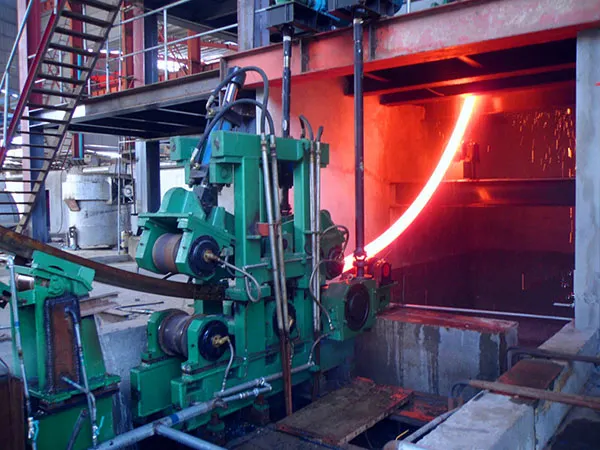
Several chemicals commonly used in rolling mills are either already restricted or candidates for restriction under REACH. Understanding these can help you proactively manage substitutions and process changes.
- Mineral oil-based lubricants: May contain polycyclic aromatic hydrocarbons (PAHs) that are restricted.
- Biocides in cooling systems: Many biocidal products require authorization and may be phased out.
- Chromium (VI) compounds: Used in passivation and coatings; subject to strict authorization requirements.
- Phthalates: Found in some plastic components and seals; restricted in articles.
- Fluorosurfactants (PFAS): Increasingly regulated; used in some specialty lubricants and firefighting foams.
…
For more details on REACH compliance in steel mill operations—including what metal processors need to know—please click here: https://www.gyssljx.com/a/news/reach-compliance-in-rolling-mill-operations.html