
Coastal environments present one of the most aggressive challenges for steel buildings. Constant exposure to salt-laden air, high humidity, and frequent moisture cycles accelerates corrosion, leading to structural degradation if left unaddressed. For property owners and facility managers along coastlines, understanding how to properly protect a steel building is not just about aesthetics—it is a critical investment in safety, longevity, and long-term cost savings. This guide provides a professional, actionable framework for mitigating corrosion risks, with insights drawn from industry best practices and the expertise of MeiChen Steel, a trusted name in steel structure solutions.
Understanding the Corrosion Challenge in Coastal Environments
Corrosion is an electrochemical process that occurs when steel reacts with oxygen and moisture. In coastal areas, the presence of chloride ions from sea salt dramatically accelerates this reaction. Even steel buildings located miles inland can be affected due to prevailing winds carrying salt spray. The result is pitting, rust formation, and eventual loss of structural integrity if preventive measures are not implemented from the design phase onward.
How Saltwater and Humidity Accelerate Corrosion
Salt particles dissolve in water to form a conductive electrolyte that facilitates electron flow between anodic and cathodic sites on the steel surface. This increases the corrosion rate by a factor of 5 to 10 compared to inland environments. High relative humidity—often above 80% in coastal zones—keeps the metal surface wet for longer periods, further accelerating the process. The combination of temperature fluctuations and UV radiation can also degrade protective coatings over time, exposing the base metal.
Unique Risks for Steel Buildings
Steel buildings have numerous joints, fasteners, and overlapping panels where moisture can become trapped. Crevice corrosion and galvanic corrosion between dissimilar metals (e.g., steel fasteners against aluminum sheeting) are common failure points. Roof valleys, gutters, and areas near HVAC units are particularly vulnerable because they collect debris and retain moisture. A comprehensive protection plan must address all these micro-environments.
Key Protective Measures for Steel Buildings
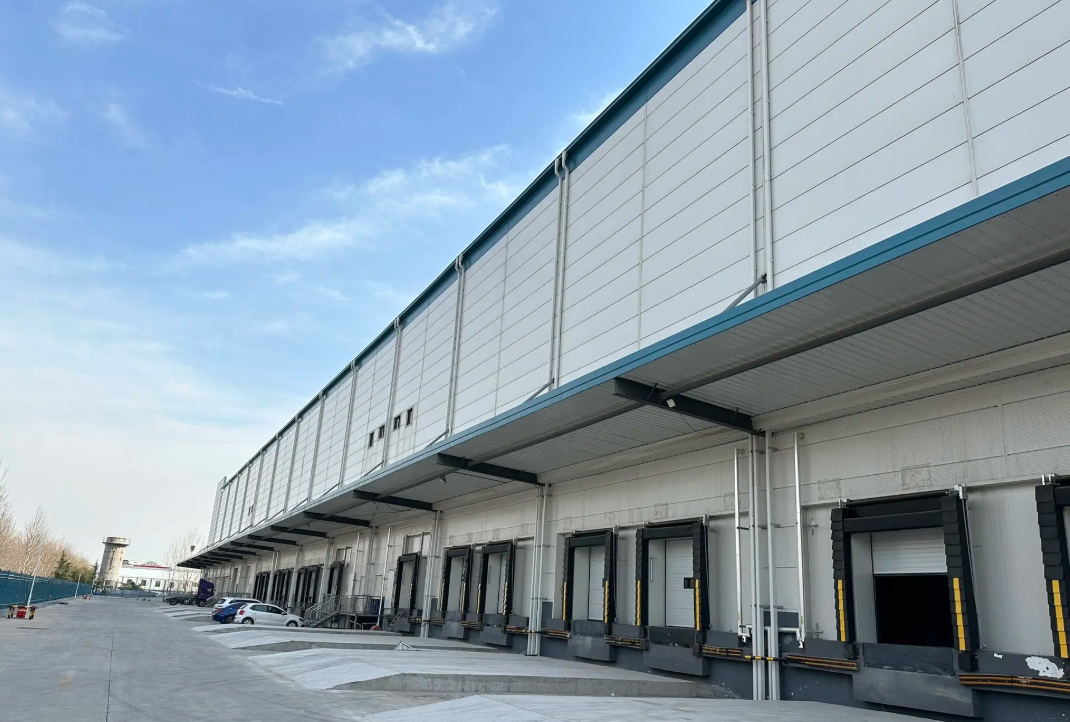
Effective corrosion protection is a multi-layered strategy. No single solution is sufficient; instead, combine material selection, surface treatment, coating systems, and ongoing maintenance to achieve maximum service life.
Proper Material Selection
Start by choosing steel grades with inherent corrosion resistance. Galvanized steel with a thick zinc coating (e.g., G90 or higher) provides sacrificial protection. For extreme coastal exposure, consider 55% aluminum-zinc alloy coated steel (e.g., Galvalume), which offers 2-4 times the corrosion resistance of standard galvanized steel. Stainless steel (such as 316 grade) is an option for critical structural components, though at a higher cost. MeiChen Steel recommends evaluating the specific environmental severity before finalizing material specifications.
Protective Coatings and Paints
A properly applied coating system is the primary barrier against salt and moisture. The system should include a primer with corrosion-inhibiting pigments (e.g., zinc-rich epoxy) followed by a durable topcoat (polyurethane or silicone-modified polyester). Key factors for success include:
- Surface preparation: Abrasive blasting to achieve a clean, profiled surface (e.g., SSPC-SP10 near-white metal blast) is essential for coating adhesion.
- Dry film thickness: Apply a minimum of 3-4 mils primer plus 2-3 mils topcoat for coastal zones; thicker for critical areas.
- Edge and fastener protection: All sharp edges should be rounded and coated, and exposed fasteners should be covered with sealing caps or mastic.
Regular Maintenance and Inspection
No coating lasts forever. Establish a scheduled inspection program—at least twice per year—to identify early signs of coating failure, such as cracking, blistering, or rust bloom. Promptly repair any damaged areas by spot-blasting and recoating. Additionally, keep gutters clean and trim vegetation away from the building to reduce moisture retention. A well-maintained building can extend its corrosion-free life by decades.
…
For more detailed information on how to protect steel structures in coastal areas from corrosion, please click here: https://www.meichensteel.com/a/procurement-guides/protect-steel-building-from-corrosion-in-coastal-areas.html