In the oil and gas industry, the dehydration of heavy crude oil remains a critical step for ensuring product quality and reducing downstream processing issues. Heavy crude oils often contain high concentrations of water and emulsified salts, which can lead to corrosion, equipment fouling, and increased refining costs. To address these challenges, electrostatic coalescers have become a cornerstone technology for efficient water separation. Understanding how to optimize electrostatic coalescer efficiency for heavy crude oil dehydration is crucial for operators aiming to achieve higher throughput, reduce maintenance costs, and ensure regulatory compliance.
How to Enhancing Electrostatic Coalescer Efficiency for Heavy Crude Oil Dehydration
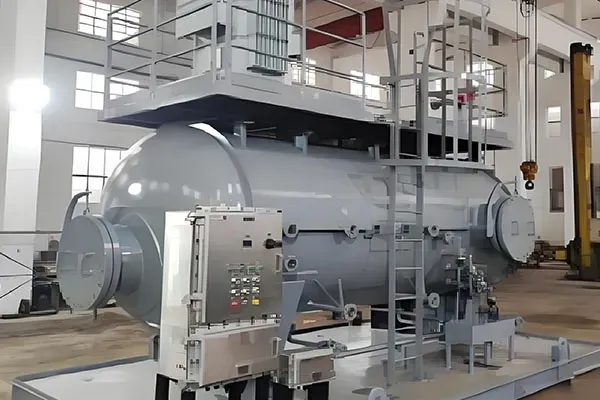
Electrostatic coalescers function by applying an electric field across a flowing oil stream to encourage small water droplets to merge into larger ones. Once coalesced, these droplets settle more rapidly due to gravity, effectively separating water from oil. The performance of these units depends not only on the applied voltage but also on the physical properties of the crude oil, including viscosity, density, and the presence of stabilizing agents such as asphaltenes. Heavy crude oils, with their higher viscosity and natural emulsifiers, often pose unique challenges that require tailored operational strategies.
One of the key factors influencing electrostatic coalescer efficiency for heavy crude oil dehydration is the emulsion stability of the crude oil. Asphaltenes and fine solids in heavy crude can stabilize water droplets, making them resistant to coalescence. Operators can mitigate this issue by controlling the oil’s temperature to lower viscosity, allowing droplets to move and merge more easily. Heating the feed oil prior to the coalescer not only improves droplet mobility but also reduces the energy required to achieve effective separation. However, excessive heating must be avoided to prevent thermal degradation of the crude oil.
Another important consideration is the electric field strength and configuration within the coalescer. Modern electrostatic coalescers often feature variable voltage settings and adjustable electrode geometries, allowing operators to fine-tune the field according to the oil’s characteristics. Optimizing these parameters enhances water droplet polarization and increases collision frequency, significantly improving separation efficiency. Additionally, regular maintenance of the electrodes to remove fouling or scaling ensures consistent performance over time.
…
For more detailed information on how to improve the efficiency of electrostatic coalescers in the dehydration of heavy crude oil, please click to visit:https://www.zy-petrochemical.com/a/news/enhancing-electrostatic-coalescer-efficiency-for-heavy-crude-oil-dehydration.html