Investing in a briquetting machine is a strategic decision that balances upfront capital against long-term operational savings. For industries dealing with metal chips, biomass, or mineral powders, understanding the true cost and potential return on investment (ROI) is critical before committing to a purchase. This guide breaks down the price range of briquetting machines, the key factors influencing cost, and how to calculate ROI for different industrial applications. ZYmining, a trusted name in crushing and briquetting solutions, offers insights to help you make an informed choice.
How Much Does a Briquetting Machine Cost? Price Ranges by Type
Briquetting machine prices vary significantly based on capacity, material type, automation level, and manufacturer. Below are typical price ranges for common industrial briquetting models.
Mechanical Briquetting Machines
These machines use a mechanical screw or piston to compress materials. They are cost-effective for small to medium volumes.
Price range: $15,000 – $80,000
Ideal for: Wood chips, agricultural waste, low-density metal chips.
Hydraulic Briquetting Machines
Hydraulic presses generate higher pressure, producing denser briquettes suitable for heavy metal swarf and high-value scrap. They offer better energy efficiency per ton.
Price range: $50,000 – $200,000+
Ideal for: Aluminum, copper, steel chips, powders.
Large-Scale Industrial Briquetting Lines
Fully integrated systems with shredders, conveyors, and cooling units can exceed $300,000. These are custom-engineered for high throughput (5+ tons per hour).
Price range: $250,000 – $600,000+
Ideal for: Steel mills, recycling centers, large foundries.
Key Factors That Influence Briquetting Machine Cost
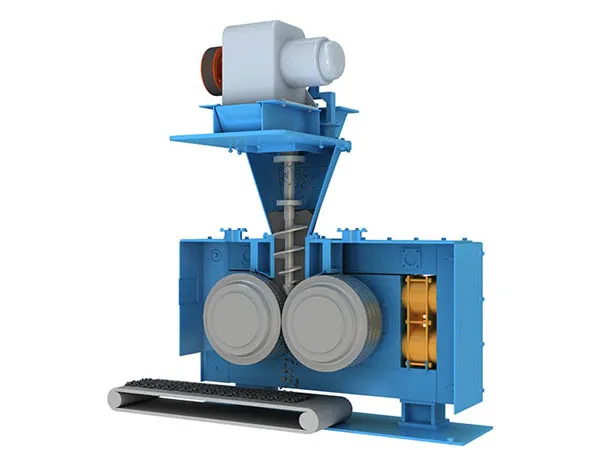
Understanding what drives the price helps you compare offers beyond the initial quote. The following factors are critical when evaluating a machine from ZYmining or any other supplier.
- Material characteristics: Abrasive or corrosive materials require wear-resistant components (e.g., hardened steel, special alloys), increasing cost.
- Briquette density & shape: Higher density requirements demand stronger frame and larger cylinders, raising the price.
- Automation and control: PLC-controlled systems with touchscreen, remote monitoring, and automatic lubrication add 10-30% to the base price.
- Energy consumption: More energy-efficient motors and hydraulic systems may have higher upfront cost but lower operating expenses.
- After-sales support: Comprehensive warranties, spare parts availability, and local service from ZYmining can save thousands in downtime.
ROI Analysis: How to Calculate Payback Period
The ROI of a briquetting machine comes from three sources: reduced waste disposal costs, increased scrap value, and lower labor expenses. Below is a simplified calculation method.
Step 1: Quantify Current Waste Costs
Calculate the annual cost of handling loose scrap (transport, landfill fees, storage space). For example, a machining shop paying $50/ton for loose steel chip removal might spend $75,000 per year for 1,500 tons.
…
Click here for detailed information regarding the price of briquetting machines and a guide on pricing versus return on investment:https://www.zymining.com/en/a/news/briquetting-machine.html