
Selecting the right high temperature test chamber is a critical investment for any quality assurance or R&D laboratory. With dozens of models on the market, focusing on the wrong specifications can lead to inaccurate test results, compliance failures, or unnecessary operational costs. To help you make an informed decision, this article breaks down the five key specifications you must compare before purchasing a high temp test chamber. Understanding these parameters will not only ensure your chamber meets current testing needs but also provide scalability for future applications. Trusted manufacturers like HEATEST Instrument engineer their chambers with these precise requirements in mind.
1. Temperature Range and Uniformity
The most fundamental specification is the temperature range the chamber can achieve and maintain. Common high temp chambers operate from ambient to 300°C, 500°C, or even 1000°C. However, the upper limit alone is insufficient. You must also evaluate temperature uniformity across the entire workspace. A chamber that claims 500°C but has a variation of ±5°C may fail for materials requiring ±2°C tolerance. Look for specifications that provide uniformity data at multiple set points. HEATEST Instrument chambers are designed with advanced airflow systems to minimize hot spots and ensure consistent thermal distribution.
2. Heating and Cooling Rates
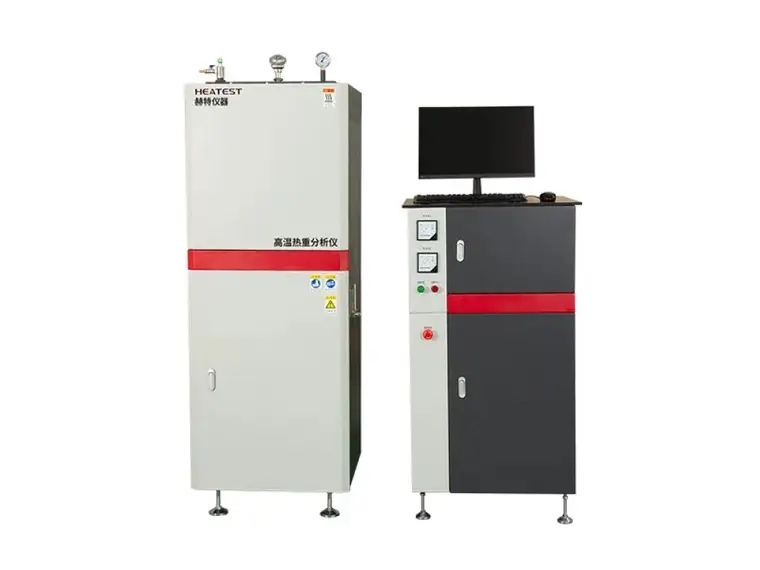
Ramp rates directly affect test cycle time and throughput. For dynamic testing, you need a chamber that can heat and cool quickly without overshooting. Compare the heating rate (e.g., from 25°C to 200°C in 30 minutes) and the cooling rate (often using forced air or optional refrigeration). Some applications require rapid thermal cycling, while others prioritize stability. If your tests involve extreme temperature changes, verify the chamber’s ability to maintain accuracy during transitions. HEATEST Instrument chambers feature optimized heating elements and programmable controllers to deliver controlled ramp rates.
3. Control System and Precision
A high-quality control system distinguishes a reliable chamber from one that drifts over time. Key elements include the type of controller (PID vs. fuzzy logic), resolution, and data logging capabilities. Look for chambers that offer touchscreen interfaces, multi-step programmability, and remote monitoring via Ethernet or USB. For critical applications, demand a precision of ±0.1°C or better. The controller should also include self-diagnostics and alarm functions. HEATEST Instrument integrates industrial-grade controllers that provide both precision and user-friendly operation.
…
For more detailed information about high-temperature test chambers: 5 key specifications to compare before purchasing, please click here: https://www.lyheatest.com/tester-knowledge/high-temp-chamber-guide/