
In the modern beverage packaging industry, visual appeal and functional performance are no longer separate priorities. Brands compete not only through taste and product quality but also through shelf impact and consumer perception. Among all packaging materials used in beverage cans, high-gloss printed aluminum coil has become one of the most critical solutions for achieving both premium appearance and reliable industrial performance. It combines advanced surface treatment, precision printing technology, and metallurgical stability to meet the demanding requirements of high-speed can production lines.
This article explains the technical value, manufacturing considerations, application advantages, and selection criteria of high-gloss printed aluminum coil for beverage can packaging. It is designed to help packaging engineers, procurement managers, and beverage brand owners make informed decisions based on real industrial needs.
1. Understanding High-Gloss Printed Aluminum Coil in Beverage Packaging
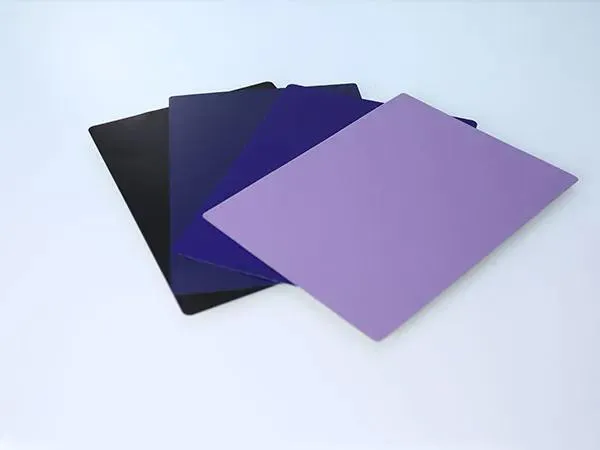
High-gloss printed aluminum coil refers to pre-coated aluminum sheet material that undergoes surface polishing, coating, and high-resolution printing before being formed into beverage cans. Unlike raw aluminum sheets, this material is processed to deliver both decorative and functional performance.
The aluminum substrate typically consists of alloys such as 3104 or 3105, which are widely used in can body applications due to their excellent formability, corrosion resistance, and strength-to-weight balance. After alloy selection and rolling processes, the coil is subjected to cleaning, coating, and printing stages that define its final visual and protective characteristics.
The high-gloss finish plays a crucial role in enhancing brand visibility. It creates a reflective surface that improves color vibrancy and sharpness of printed graphics, making beverage cans more attractive on retail shelves.
2. Manufacturing Process and Surface Engineering
The production of high-gloss printed aluminum coil involves several precision-controlled steps. Each stage directly influences final quality, especially in terms of gloss level, ink adhesion, and coating durability.
2.1 Surface Pretreatment
Before any coating is applied, the aluminum surface must be thoroughly cleaned and chemically treated. This process removes oxides, oils, and impurities that could affect adhesion. A conversion coating layer is then applied to improve corrosion resistance and ensure stable bonding between aluminum and subsequent coatings.
2.2 Base Coating Application
A base coat is applied to create a uniform surface and enhance brightness. This layer is engineered to support high-gloss reflection while maintaining compatibility with printing inks. The coating thickness must be precisely controlled to avoid defects such as uneven gloss or surface waviness.
2.3 High-Resolution Printing
Modern beverage packaging relies on high-definition printing technologies, typically using offset or gravure printing systems. These systems allow multi-color designs, gradient effects, and fine text reproduction. High-gloss aluminum coil enhances these prints by increasing contrast and saturation, making brand elements more visually striking.
…
For more information on high-gloss printed aluminum coils used in beverage can packaging, please click here: https://www.dw-al.com/a/news/high-gloss-printed-aluminum-coil-for-beverage-can-packaging.html