
In recent years, light steel villas have emerged as a popular choice in modern residential construction due to their remarkable structural efficiency, lightweight design, and rapid assembly capabilities. However, while these homes offer many advantages, one recurring challenge for homeowners is the presence of hollow noise—a phenomenon where footsteps, furniture movement, or even conversations reverberate through the steel framework, creating an echoing effect that can reduce comfort and privacy. Unlike traditional brick-and-mortar houses, the relatively thin walls and lightweight panels in light steel villas make sound transmission more noticeable, often leaving residents frustrated with unwanted noise. Addressing this issue requires a deliberate approach that combines thoughtful architectural design, material selection, and advanced construction techniques aimed specifically at optimizing acoustic performance.
Understanding the Causes of Hollow Noise in Light Steel Villas
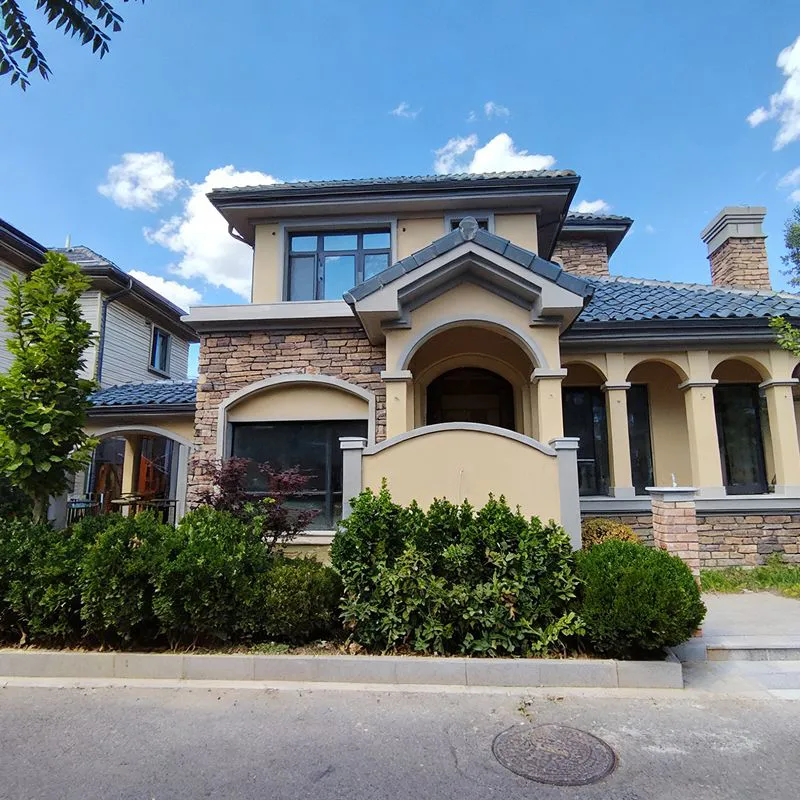
Hollow noise in light steel villas is primarily a structural issue. The skeletal steel frame, while providing exceptional strength and flexibility, can inadvertently amplify sound if not properly mitigated. The most common contributing factors include:
1. Thin Wall and Ceiling Panels
Walls and ceilings in light steel villas are typically constructed from gypsum board, lightweight concrete, or composite materials that are significantly thinner than traditional brick walls. These panels lack the mass necessary to effectively dampen sound waves, resulting in an echoing or hollow sensation that is particularly noticeable in living rooms, hallways, and bedrooms.
2. Rigid Steel Framework
While steel frames provide durability and design flexibility, their rigidity can transmit vibrations throughout the structure. For example, a footstep on the upper floor can resonate down through the frame, creating noise in rooms below. This phenomenon is a common complaint in multi-story villas with open floor plans.
3. Inadequate Acoustic Insulation
Many light steel villas, especially older or cost-conscious designs, rely solely on the structural panels to block sound. Without dedicated insulation in walls, floors, and ceilings, sound easily travels through hollow cavities, diminishing acoustic comfort and privacy.
4. Poor Detailing Around Openings
Even minor gaps around doors, windows, and partitions can act as channels for sound leakage. Without proper sealing, soundproofing materials lose much of their effectiveness, allowing airborne noise from both inside and outside the home to penetrate living spaces.
…
For more detailed information on soundproofing solutions for light steel structure villas, please click to visit: https://www.hbfrmsteel.com/a/news/guidelines-for-prefabricated-production-of-light-steel-structure-houses.html