
In modern global supply chains, cold chain logistics centers play a critical role in preserving the quality, safety, and shelf life of temperature-sensitive products such as food, pharmaceuticals, and biotechnology materials. As demand continues to rise, operators are under increasing pressure to improve energy efficiency while maintaining strict temperature control standards. One of the most effective and often underestimated strategies is the use of energy-efficient insulation systems integrated into steel structure logistics centers.
This article provides a detailed and practical exploration of how advanced insulation technologies, combined with engineered steel structures, can significantly reduce energy consumption, enhance operational stability, and improve long-term return on investment in cold chain facilities.
1. The Growing Importance of Energy Efficiency in Cold Chain Logistics
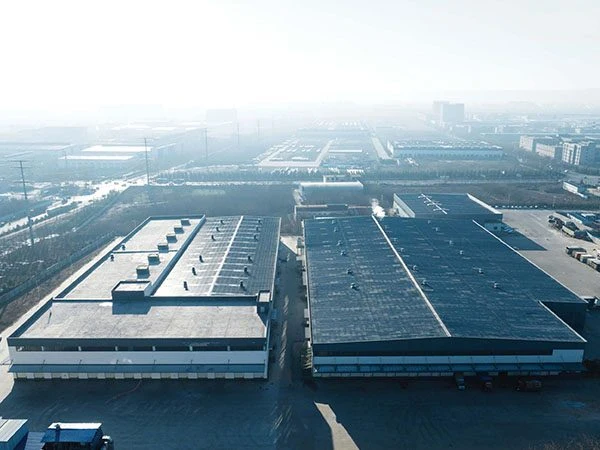
Cold chain logistics centers operate under strict temperature requirements, often ranging from deep-freeze environments below -20°C to chilled storage around 2–8°C. Maintaining these conditions requires continuous refrigeration, which is one of the most energy-intensive processes in industrial facilities.
Energy costs can account for 40% to 60% of total operating expenses in a cold storage facility. Therefore, even a small improvement in thermal insulation performance can lead to substantial cost savings over time.
At the same time, global sustainability regulations and carbon reduction targets are pushing logistics operators to adopt greener building solutions. Energy-efficient insulation is no longer optional; it has become a strategic necessity for competitive cold chain operations.
2. Why Steel Structure Cold Chain Centers Require Advanced Insulation
Steel structure logistics centers are widely used in cold chain infrastructure due to their advantages in strength, modular construction, and scalability. However, steel is also a highly conductive material, meaning it can easily transfer heat if not properly insulated.
Without high-performance insulation systems, steel structures can create:
Thermal bridging, leading to energy leakage
Condensation issues, increasing corrosion risk
Uneven temperature distribution inside storage zones
Higher refrigeration system load and energy consumption
For this reason, insulation design must be integrated into the steel structure from the early planning stage rather than treated as a secondary addition.
…
For more detailed information on energy-saving and insulation guidelines for cold chain steel logistics centers, please click to visit: https://www.hcggsteel.com/a/news/energy-efficient-insulation-for-cold-chain-steel-logistics-centers.html