
Temperature uniformity is a critical performance parameter for high temperature test chambers, directly influencing the validity of material aging, thermal shock, and reliability tests. When evaluating chambers for R&D or quality assurance, engineers must understand how uniform the internal temperature field is across the working volume. This article compares uniformity mechanisms, design factors, and verification methods, with a focus on solutions offered by HEATEST Instrument to help you make an informed purchasing decision.
What Is Temperature Uniformity and Why Does It Matter?
Temperature uniformity refers to the maximum temperature variation measured across different points inside the chamber at steady-state conditions. In high temp test chambers (typically operating from 300°C to over 1000°C), achieving tight uniformity—often specified as ±2°C or better—is essential for repeatable test results. Poor uniformity can lead to uneven stress on specimens, false failures, or wasted testing time.
Industry standards such as IEC 60068-3-5, MIL-STD-810, and ASTM E145 define acceptable uniformity ranges. For example, a chamber rated at 500°C with a uniformity of ±3°C may actually show spots 10°C cooler near the door or heater elements. Understanding these real-world deviations helps buyers compare products beyond the datasheet.
Key impact areas of poor uniformity
- Invalid test data: Specimens at different positions experience different thermal histories, making results non-comparable.
- Reduced repeatability: Run-to-run variations increase when chamber loading or ambient conditions change.
- Accelerated wear on chamber components: Hot spots stress heaters and insulation unevenly, shortening service life.
Factors That Influence Temperature Uniformity
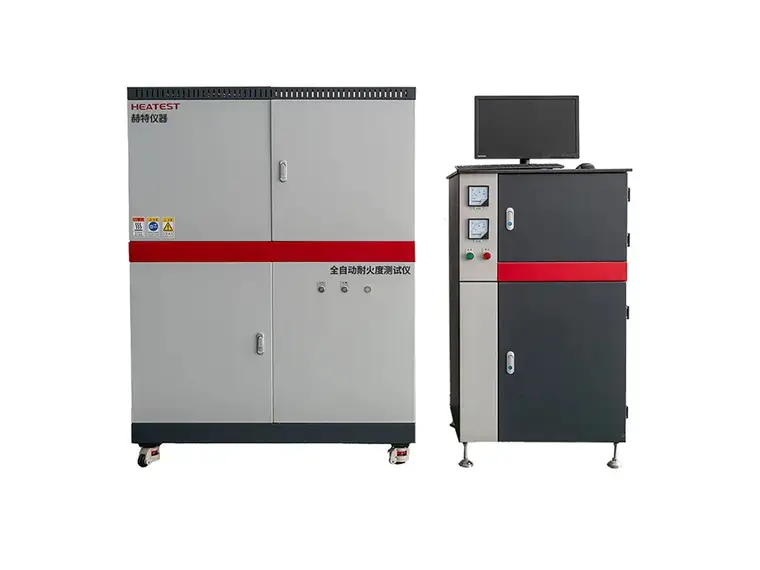
Multiple design and operational factors determine how evenly heat is distributed inside a high temp chamber. Recognizing these allows you to evaluate different brands, including HEATEST Instrument, on a common basis.
…
For more detailed information on temperature uniformity comparison in high-temperature test chambers, please click to visit: https://www.lyheatest.com/tester-knowledge/temp-uniformity-comparison/