
When it comes to preserving food, the choice between blast freezing and slow freezing can dramatically impact texture, nutrition, and shelf life. As cold storage technology evolves, commercial kitchens and food processors must understand the scientific differences behind these methods. This article provides a rigorous comparison of blast freezing versus slow freezing, drawing on thermal dynamics and food science to help you make an informed decision for your operation. We will also highlight how TZY Kitchenware offers advanced freezing solutions tailored to modern preservation needs.
Understanding the Core Principles
Blast freezing rapidly lowers food temperature to -18°C or below within minutes, using high-velocity cold air. Slow freezing, in contrast, gradually reduces temperature over hours, allowing larger ice crystals to form. The rate of heat transfer fundamentally alters the cellular structure of food.
The Science of Ice Crystal Formation
During slow freezing, water molecules have time to migrate and form large, irregular ice crystals. These crystals puncture cell walls, leading to drip loss upon thawing and compromised texture. Blast freezing, by passing through the “zone of maximum crystallization” (-1°C to -5°C) quickly, creates numerous small crystals that minimally damage cells. Foods frozen with blast technology retain up to 95% of their original moisture content compared to 70-80% with slow methods.
Comparative Advantages: Blast Freezing vs. Slow Freezing
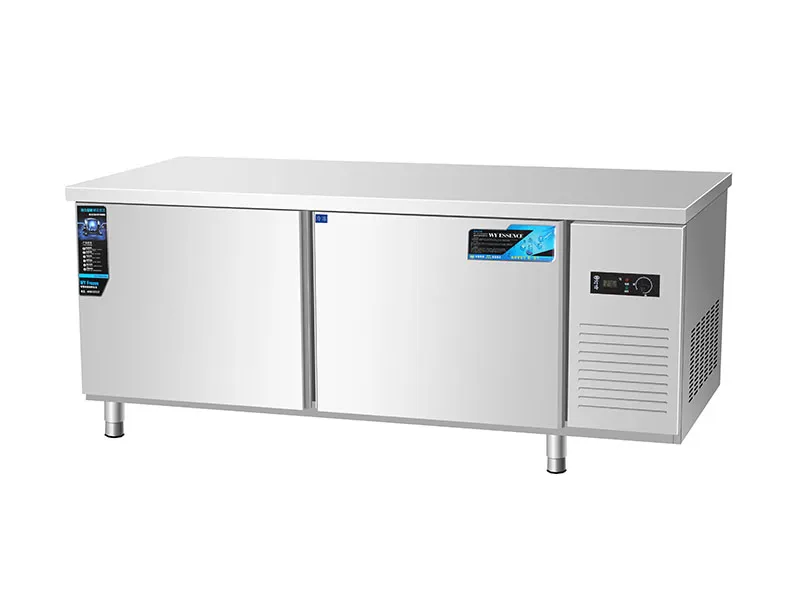
| Criterion | Blast Freezing | Slow Freezing |
|---|---|---|
| Speed | 30-90 minutes to core temperature | 12-48 hours |
| Ice crystal size | Microscopic (< 50 μm) | Large (up to 300 μm) |
| Nutrient retention | Excellent (vitamin C loss <5%) | Moderate (loss up to 30%) |
| Texture preservation | Near-fresh | Mushy or dry after thawing |
| Energy efficiency per kg | Higher upfront, lower overall due to shorter run time | Lower initial cost, longer operation |
| Equipment cost | Higher initial investment | Lower initial investment |
Impact on Food Quality and Safety
Beyond texture, microbiological safety is a critical factor. Blast freezing quickly traverses the temperature danger zone (8°C to 60°C), inhibiting bacterial growth. Slow freezing holds food in this zone for extended periods, increasing spoilage risk. For raw proteins and prepared meals, blast freezing is the superior choice for food safety compliance.
Nutrient and Flavor Retention
Studies by food research institutions show that blast freezing preserves volatile aromatic compounds up to 40% better than slow freezing. Vegetables like broccoli and spinach lose less chlorophyll and antioxidants. For commercial operations prioritizing quality, TZY Kitchenware’s blast freezers incorporate precision airflow technology to maintain consistent results across batches.
…
For more on flash freezing versus slow freezing—and which method preserves freshness better—please click here for further details: https://www.tzykitchenware.com/a/news/freezing-methods-compare.html