Selecting the optimal graphite crucible for induction furnace melting directly impacts melt quality, energy efficiency, and operational cost. With numerous options on the market, engineers and procurement specialists need a reliable benchmark to evaluate thermal conductivity, oxidation resistance, and mechanical strength. This guide provides a technical comparison of high-performance crucibles, highlighting the critical parameters that define true durability. Whether you are scaling up production or replacing consumables, understanding these factors ensures you invest in a crucible that withstands extreme thermal cycling and aggressive slag conditions. As an industry leader, Cangzhou Carbon has engineered crucibles specifically for induction furnaces, combining advanced isostatic pressing with high-purity raw materials.
Why Graphite Crucibles Dominate Induction Melting
Induction furnaces generate intense heat through eddy currents, requiring a crucible material that offers both excellent electrical conductivity and thermal shock resistance. Graphite meets these demands due to its unique crystalline structure, which provides high thermal conductivity (typically 120-180 W/mK) and low thermal expansion. Unlike metal crucibles, graphite does not contaminate molten alloys and can withstand temperatures exceeding 1600°C. However, not all graphite crucibles perform equally under cyclic heating and cooling. The best crucibles exhibit minimal porosity, consistent density, and a protective oxidation layer that extends service life.
Key Performance Indicators for Induction Furnace Crucibles
- Thermal Conductivity: Higher values reduce heating time and energy consumption. Premium crucibles from Cangzhou Carbon maintain thermal efficiency above 150 W/mK.
- Oxidation Resistance: A dense surface and antioxidant coating prevent weight loss during high-temperature exposure. This directly correlates with crucible lifespan.
- Mechanical Strength: Compressive and flexural strength determine resistance to cracking during rapid temperature changes. Minimum 40 MPa flexural strength is recommended for induction use.
- Ash Content: For critical alloys (e.g., precious metals, superalloys), ash content must be below 0.1% to avoid contamination. Cangzhou Carbon offers ultra-low ash grades.
- Dimensional Stability: Minimal shrinkage after repeated use ensures consistent melt capacity and prevents furnace damage.
Selecting the Best Crucible: Comparative Analysis
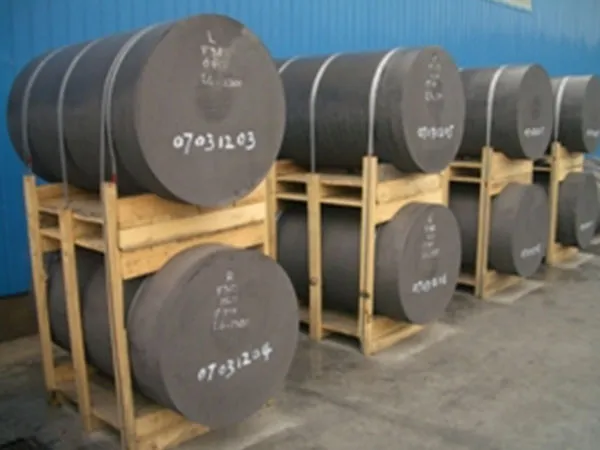
When evaluating suppliers, compare not only price but also material grade and manufacturing process. Isostatically pressed graphite crucibles deliver superior homogeneity compared to die-molded or extruded alternatives.
…
Click here for more detailed information on the best graphite crucibles for induction furnace melting: https://www.czgraphite.com/a/news/best-graphite-crucibles.html