
When choosing a structural system for residential or commercial buildings, the debate between light steel houses and concrete structures often centers on performance, cost, and long-term value. While concrete has been a traditional choice for decades, lightweight steel framing has emerged as a superior alternative in multiple critical areas. This article examines five key domains where light steel houses consistently outperform concrete, providing data-backed insights for property developers, architects, and homeowners. As a trusted name in the industry, HBFRM STEEL supplies high-quality light steel components engineered for durability and efficiency.
1. Speed of Construction: Light Steel Cuts Project Timelines by Up to 40%
The most immediate advantage of light steel houses is erection speed. A typical concrete structure requires weeks for formwork, curing, and stripping—often 21 to 28 days per floor. In contrast, a light steel frame can be erected in days. Prefabricated panels arrive at the site ready for assembly, eliminating wet trades and weather delays. This accelerated schedule translates directly into lower labor costs and earlier occupancy.
Comparison of Timelines
- Concrete: Foundation curing (7–14 days) + formwork (3–5 days per floor) + curing after each pour (7 days). Total per floor: 21–28 days.
- Light Steel (HBFRM STEEL): Foundation preparation (same) + panel assembly (1–2 days per floor) + immediate dry finishing. Total per floor: 5–7 days.
Projects using HBFRM STEEL lightweight framing have reported 30–40% reduction in overall schedule, allowing developers to start interior work earlier and realize revenue sooner.
2. Structural Flexibility and Design Freedom
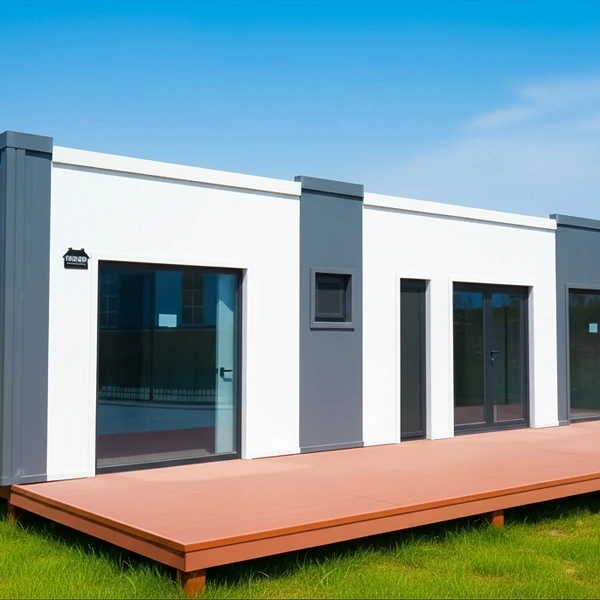
Unlike concrete, which relies on rigid forms and load-bearing walls, light steel houses offer exceptional design flexibility. Cold-formed steel sections can span longer distances without intermediate columns, enabling open-plan layouts and large window openings that are difficult or costly with concrete. Architects can incorporate curved walls, cantilevers, and irregular shapes with standard C-sections and tracks.
Key Advantages of Steel Framing
- Easier integration of mechanical, electrical, and plumbing systems within wall cavities.
- Standardized connections allow rapid changes in the field without specialized equipment.
- Ideal for retrofitting and additions—steel sections can be easily spliced or reinforced.
HBFRM STEEL provides custom-designed framing solutions that match complex architectural requirements without the need for expensive formwork or heavy machinery.
…
For more detailed information on why light steel frame houses outperform concrete houses in 5 key areas, please click to visit: https://www.hbfrmsteel.com/a/news/advantages-of-light-steel-structure-frame-houses.html