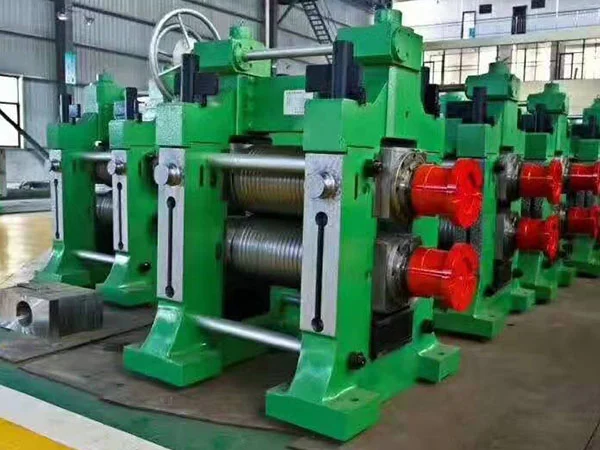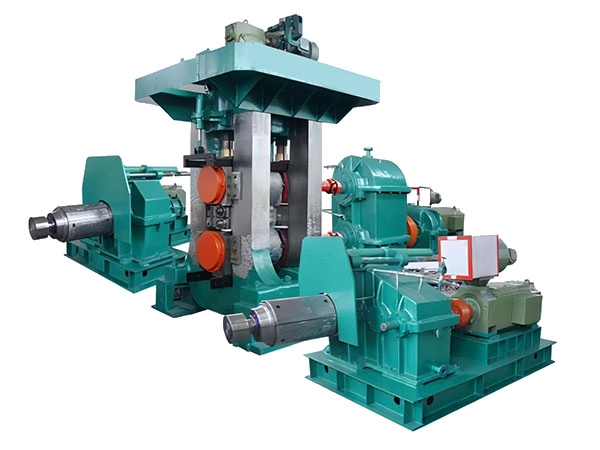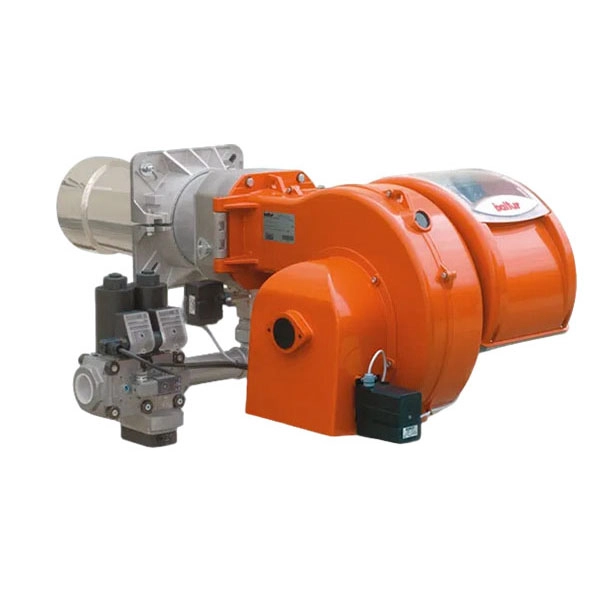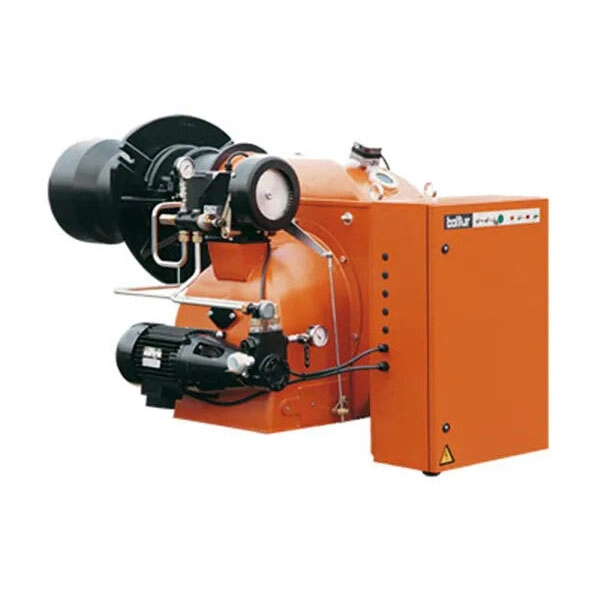
In industrial production lines, a ball press machine is far more than a standalone piece of equipment. It is a core unit that directly influences material forming quality, output stability, and overall production efficiency. Whether the machine is used for fertilizer granulation, mineral briquetting, chemical processing, or metal powder pelletizing, its real performance is determined not only by design and manufacturing quality, but also by how well it is installed and commissioned on site.

Ball Press Machine Installation and Commissioning

Ball Press Machine

From our experience working with customers across different industries, improper installation and rushed commissioning remain two of the most common reasons for early equipment failure and unstable production. That is why professional installation and commissioning services are essential for achieving reliable performance from day one.

Why Proper Installation Is Critical for Ball Press Machines

A ball press machine operates under continuous load, pressure, and vibration. Even minor installation errors can gradually lead to serious mechanical problems. Common issues caused by improper installation include abnormal vibration, uneven wear of rollers, unstable ball forming, and frequent shutdowns.

Professional installation ensures that every key factor is addressed before production begins, including:

Accurate machine alignment

Precise alignment of rollers, shafts, and transmission components reduces mechanical stress and ensures smooth operation.

Reliable foundation and base preparation

The foundation must match the machine’s weight, operating load, and vibration characteristics to prevent long-term structural issues.

Correct assembly of mechanical components

Proper torque control for bolts, correct bearing installation, and accurate positioning of wear parts help avoid early failures.

Standardized electrical and hydraulic connections

Professional technicians verify wiring, motor direction, control systems, and hydraulic circuits to ensure safe and stable operation.

By handling these details correctly at the installation stage, manufacturers can significantly reduce the risk of unplanned downtime and costly repairs later.

Ball Press Machine

Commissioning: Turning Installation into Real Productivity

Commissioning is not simply switching on the power and starting production. It is a systematic process that transforms a newly installed ball press machine into a fully optimized production unit.

For more detailed information on ball press machine installation and commissioning, please click to visit: https://www.zymining.com/en/a/news/ball-press-machine-installation-and-commissioning.html

Controlling the density of balls in a ball press machine is critical for producing consistent, high-quality pellets. Whether you manufacture fertilizer, feed, or other granular products, small adjustments can significantly impact production efficiency, reduce material loss, and improve product durability. This guide provides step-by-step, real-world techniques to help you optimize ball density.

How to Adjust Ball Density in a Ball Press Machine

ball press machine

1. Why Ball Density Matters

Ball density determines how compact the material is inside each pellet. High-density balls:

Resist breakage during transport

Ensure uniform distribution of nutrients or active ingredients

Reduce material waste

Low-density balls, on the other hand, can crumble easily, lowering efficiency and increasing costs. Achieving uniform density requires careful control of material properties, machine settings, and production processes.

2. Step 1: Optimize Moisture Content

Why it matters:

Moisture acts as a binding agent. Too little water = loose, brittle balls. Too much water = sticky, deformed balls.

Practical tips:

Conduct small batch tests to find the ideal moisture range.

Use a moisture meter for consistent measurement.

Adjust water gradually—avoid adding all at once.

Monitor environmental factors like humidity, which can affect moisture absorption.

Real-world example:

In feed pellet production, increasing moisture from 12% to 14% improved ball hardness by 15% without causing stickiness.

3. Step 2: Adjust Roller Pressure

Why it matters:

Roller pressure compresses raw material into dense balls. Too low = loose balls, too high = machine wear.

For more detailed information on how to adjust the ball density in a briquetting machine to achieve maximum efficiency, please click here: https://www.zymining.com/en/a/news/how-to-adjust-ball-density-in-a-ball-press-machine.html

Ball press machines are indispensable in industries such as feed production, fertilizer manufacturing, and biomass pellet processing. At the core of these machines are the rollers, responsible for compressing raw materials into dense, uniform pellets. Over time, roller wear can lead to reduced efficiency, uneven pellet quality, and higher maintenance costs. Extending roller life not only improves productivity but also reduces operational expenses. This comprehensive guide explores practical strategies to maximize the lifespan of your ball press machine rollers.

How to Prolong the Service Life of Ball Press Machine Rollers

Ball press machines

1. Choose the Right Roller Material

Selecting high-quality, wear-resistant rollers is the first step toward longevity. Rollers are typically made of alloy steel or chromium-plated steel, both capable of withstanding the high pressures and friction inherent in ball press operations. For abrasive materials such as straw, corn stalks, or certain fertilizers, advanced coatings like tungsten carbide or ceramic layers can significantly increase durability.

Practical Tip:

Match the roller material to the type of material being processed. Hard, abrasive raw materials demand harder, coated rollers, while softer, less abrasive materials may function well with standard steel rollers. Investing in high-quality rollers upfront saves costs on frequent replacements.

2. Maintain Proper Lubrication

Proper lubrication reduces friction between the rollers and bearings, preventing excessive wear and overheating. Poor lubrication—either insufficient or contaminated—can accelerate roller deterioration, sometimes leading to unexpected machine shutdowns.

Pro Tip:

Use lubricants recommended by the machine manufacturer.

Regularly inspect the lubrication system for leaks or contamination.

Consider installing automatic lubrication systems for continuous, stable lubrication, ensuring consistent roller performance and reducing manual maintenance.

3. Monitor and Adjust Roller Pressure

Incorrect roller pressure is a leading cause of uneven wear or damage. Too high pressure can cause surface cracking, while too low pressure can result in incomplete or inconsistent pellets.

How to Manage Pressure:

Regularly check pressure settings based on raw material properties like moisture content and particle size.

For more detailed information on how to extend the service life of ball press rollers, please click to visit: https://www.zymining.com/en/a/news/how-to-prolong-the-service-life-of-ball-press-machine-rollers.html

In modern industrial production, the cost of energy has become a major factor affecting overall profitability. For factories using ball press machines—equipment designed to compact powders into uniform, high-density briquettes—how efficiently the machine runs directly impacts electricity consumption, operating costs, and long-term equipment stability.

Energy-Saving Tips for Operating a Ball Press Machine

Improving energy efficiency is not a one-time adjustment; it requires a combination of correct operation, machine optimization, and continuous monitoring. The following practical, field-tested tips will help you reduce energy waste, maintain stable output quality, and extend the service life of your ball press machine.

Ball Press Machine

1. Prioritize Preventive Maintenance Over Emergency Repairs

A ball press machine in good mechanical condition naturally consumes less energy. Worn rollers, loose bearings, or dry friction areas force the motor to work harder, causing unnecessary electricity usage.

Key maintenance actions include:

Inspect roller surfaces for wear, cracks, or uneven patterns.

Lubricate moving parts according to the manufacturer’s schedule.

Clean material buildup around the hopper, rollers, and transmission system.

Check motor temperature and vibration to detect overload or misalignment early.

Why it matters:

A machine running with excessive mechanical resistance increases electricity usage by up to 15–20% and accelerates component degradation.

Pro Tip:

Replacing a worn roller or bearing early costs far less than repairing a damaged gearbox or burned motor later.

2. Fine-Tune Machine Settings Instead of Relying on Default Parameters

Ball press machines offer adjustable parameters such as roller speed, forming pressure, and feeding speed. Many plants run on a “one-setting-fits-all” approach, which actually wastes power.

For more detailed information on energy-saving tips for operating a ball press machine, please click to visit: https://www.zymining.com/en/a/news/energy-saving-operation-techniques-for-ball-press-machine.html

In industries such as mining, quarrying, construction materials, and chemical processing, efficient material screening is a critical step that directly affects product quality, production capacity, and operating costs. As material specifications become more demanding—especially for fine and ultra-fine particles—traditional low-frequency screening methods often struggle to deliver stable and accurate results.

This is where a high-frequency vibrating screen exciter becomes a key performance-enhancing component. By providing controlled, high-speed vibration, it significantly improves screening accuracy, reduces downtime, and increases overall plant efficiency. Below, we explore the major advantages of using a high-frequency vibrating screen exciter in modern industrial applications.

Benefits of Using a High-Frequency Vibrating Screen Exciter

DE60A

1. Significantly Improved Screening Efficiency

One of the most notable benefits of a high-frequency vibrating screen exciter is its ability to dramatically enhance screening efficiency. The rapid vibration frequency creates intense particle movement across the screen surface, allowing fine materials to pass through the mesh more easily.

Compared with conventional exciters, high-frequency units are especially effective when handling:

Fine sand and mineral concentrates

Slurries and wet materials

Ultra-fine powders used in chemical or industrial processing

By accelerating particle separation, plants can achieve higher throughput without sacrificing accuracy, resulting in more consistent product grading and improved downstream performance.

2. Better Material Stratification and Reduced Blinding

High-frequency vibration promotes effective material stratification. Smaller particles are driven downward toward the screen openings, while larger particles remain on the surface and move toward discharge. This continuous separation process minimizes material layering and reduces common issues such as screen blinding and clogging.

For more detailed information on the advantages of high-frequency vibrating screen exciters in industrial screening, please click to visit:https://www.hsd-industry.com/news/benefits-of-using-a-high-frequency-vibrating-screen-exciter/

In mining, quarrying, and aggregate processing, screening efficiency directly impacts production output and operating costs. While many operators focus on screen size or mesh selection, exciter power is often underestimated.

From a vibrating screen manufacturer’s perspective, exciter power determines how effectively vibration energy is transferred to the material. When properly matched, it improves separation accuracy, stabilizes throughput, and extends equipment service life. When misapplied, it leads to poor screening results, excessive wear, and unnecessary energy consumption.

What Is Exciter Power in a Vibrating Screen?

The exciter is the vibration-generating unit of a vibrating screen. Driven by an electric motor, it creates controlled oscillation through eccentric shafts or blocks. Exciter power, typically expressed in kilowatts (kW), defines the amount of energy available to generate vibration force.

In equipment design, exciter power is selected together with:

Vibration frequency

Amplitude

Screen mass and structure

Material load conditions

It is not an isolated parameter, but part of a complete vibration system.

BE3200

How Exciter Power Influences Screening Efficiency

Material Stratification and Separation Accuracy

Effective screening relies on proper material stratification. Fine particles must move downward to the screen surface, while coarse particles travel toward discharge.

Low exciter power results in insufficient material lift and poor stratification

Fine particles remain trapped, reducing screening efficiency

Optimized exciter power promotes uniform material movement and improves separation accuracy across the entire screen deck

For more detailed information on how vibrating screen power affects screening efficiency, please click to visit: https://www.hsd-industry.com/news/how-exciter-power-affects-screening-efficiency/

In modern mining operations, efficiency and precision are key to profitability. Among the many pieces of equipment that make this possible, the vibrating screen is indispensable. While the screen deck and motor often receive the most attention, the exciter is the true engine driving the screening process. Understanding its role can help mining operators optimize throughput, reduce maintenance costs, and ensure consistent product quality.

Role of an Exciter in Mining Vibrating Screens

BE1800

Understanding the Mining Vibrating Screen

A mining vibrating screen is engineered to separate materials based on size, ensuring that crushed ore or other mined substances are accurately classified before moving to the next stage of processing. Unlike static sieves, these screens rely on controlled vibrations to move materials across multiple mesh layers efficiently.

The vibration is not arbitrary—it is precisely calibrated. Too weak, and smaller particles remain on the surface; too strong, and materials can bounce erratically or even damage the screen. This is where the exciter plays a pivotal role.

The Exciter: Heart of the Vibrating Screen

The vibrating screen exciter is a mechanical device that converts rotational motion from the motor into controlled oscillations that energize the screen deck. Without it, a vibrating screen would be nothing more than a static tray, incapable of sorting materials effectively.

Key Functions of an Exciter:

Generating Controlled Vibrations

Exciters produce the amplitude and frequency required to optimize material separation. Different minerals and ore types—ranging from fine sand to coarse rock—demand unique vibration profiles. The exciter ensures that materials move at the correct speed and intensity for maximum efficiency.

Regulating Material Flow

By fine-tuning vibration intensity, the exciter controls how materials pass across the screen. Uniform distribution prevents clogging and ensures that every particle has a chance to pass through the correct mesh layer, minimizing downtime and improving throughput.

Enhancing Screening Accuracy

Properly calibrated exciters help smaller particles penetrate the mesh while guiding larger particles forward. This separation precision is crucial for downstream processes such as grinding, flotation, or smelting, where material size directly affects efficiency and product quality.

For more detailed information on the key role of vibrating screen exciters in mining vibrating screens, please click to visit: https://www.hsd-industry.com/news/role-of-an-exciter-in-mining-vibrating-screens/

As industries such as mining, sand and gravel, chemicals, and metallurgy continuously increase their demands for screening efficiency and product quality, the importance of vibrating screen exciters is becoming increasingly prominent. As the core power source of the vibrating screen, it determines the amplitude, frequency, stability, and screening capacity of the entire machine.

For companies looking to purchase or upgrade equipment, the most pressing questions are: “How much does a customized vibrator cost?”, “Why are there such large differences in quotes from different manufacturers?”, and “How can I determine if a quote is reasonable?”

Custom Vibrating Screen Exciter Price and Quotation

DE40B

This article will provide a comprehensive analysis from a professional perspective, examining influencing factors, pricing logic, supplier comparison strategies, and common purchasing questions to help companies select equipment with lower risk and higher cost-effectiveness.

1. What Determines the Price of a Custom Vibrating Screen Exciter?

Factors influencing the price of custom vibrating screen exciters are often overlooked, but they determine the reliability and lifespan of the equipment.

1.1 Material Selection and Structural Strength

Vibrating screen exciters need to withstand prolonged high-frequency vibrations, therefore the grade of materials directly affects product cost:

High-strength forged steel housing: Enhanced fatigue resistance, suitable for heavy-duty screening

Wear-resistant alloy gears: Reduced wear, increased lifespan

High-quality bearings (imported/high-temperature resistant): Significantly reduces downtime probability

Upgraded sealing structure (labyrinth seal, double oil seal): Improved dustproof and waterproof ratings

If the equipment is used with wet materials, corrosive materials, or high-dust environments, manufacturers typically employ anti-corrosion coating + reinforced sealing design, naturally increasing the price.

1.2 Excitation Power and Motor Specifications

The power system is a key factor affecting cost, including:

Drive method: Electric / Hydraulic / Pneumatic

Power output: Higher power means higher cost

Continuous operation level (S1, S2, S3)

Energy efficiency level (e.g., IE2/IE3 high-efficiency motors)

High-end exciters typically use:

Custom-wound motors

For more detailed information on pricing and quotes for customized vibrating screen exciters, please click here:https://www.hsd-industry.com/news/custom-vibrating-screen-exciter-price-and-quotation/

In the steel, machinery manufacturing, automotive parts processing, and non-ferrous metal industries, large quantities of metal waste, such as steel shavings, aluminum shavings, and copper shavings, are generated during production. If this waste cannot be effectively recycled and processed, it not only occupies significant storage space but also increases transportation costs and reduces overall production efficiency. Metal briquetting machines, through high-pressure forming technology, compress loose metal waste into high-density briquettes, providing an efficient and economical solution for industrial recycling.

Metal Briquetting Machine Introduction

A metal briquetting machine is a specialized device for compressing various types of scrap metal materials, including steel shavings, aluminum shavings, copper shavings, and iron shavings. Through a hydraulic or mechanical compression system, loose waste is compressed into dense square or cylindrical blocks, facilitating storage, transportation, and subsequent processing.

Key Features

High-Pressure Compression Capacity: Compression ratios can reach over 10:1, compressing large volumes of waste into smaller pieces, increasing storage density.

Multiple Operating Modes: Supports automatic, semi-automatic, and manual operation to meet the needs of enterprises of different sizes.

Energy-saving and environmentally friendly: The high-efficiency hydraulic system reduces energy consumption while minimizing dust and noise during processing.

Highly durable: Key components are made of high-strength steel, ensuring continuous operation over extended periods.

Technical parameter example

parameter Miniature medium-sized machine Mainframe
pressure 50 tons 100 tons 200 tons
Compression ratio 8:1 10:1 12:1
Compactor size 300x300mm 500x500mm 700x700mm
Daily processing capacity 1-2 tons 3-5 tons 6-10 tons


Benefits of Industrial Recycling

Reduced Storage Space

Scrap metal occupies a significant amount of warehouse space. Compacting the scrap metal with a briquetting machine reduces its volume, allowing for stacking and significantly improving warehouse utilization.

Increased Scrap Processing Efficiency

Compacted scrap metal has a uniform size, facilitating sorting, statistics, and handling. Companies can complete scrap processing and shipping faster, improving overall recycling efficiency.

Reduced Transportation Costs

Compacted metal blocks are small and dense, allowing for the loading of more scrap during transport, reducing transport frequency and costs, while also improving logistics safety.

Environmental Protection and Sustainable Development

Compacting scrap metal reduces land occupation and transportation energy consumption, while also reducing the accumulation of metal scrap in the natural environment, helping companies fulfill their environmental responsibilities.

Metal Briquetting Machine Operation Flow (Illustration)

Scrap Collection and Pre-treatment

Collect and pile the scrap metal, removing non-metallic impurities.

Feeding to the Briquetting Machine

Feed the scrap metal into the hopper according to the machine’s capacity.

Compression Molding

The hydraulic system is activated, and high pressure compresses the scrap metal into blocks, controlling the block size and density.

Discharge and Stacking: Briquetting is automatically or manually ejected and stacked in designated warehouses or transported directly.

Regular Maintenance and Cleaning: Hydraulic oil changes, machine body cleaning, and inspection of key components ensure long-term efficient operation of the equipment.

Case Studies and Practical Applications

Case 1: Automotive Parts Factory

A large automotive parts manufacturing company generates a large amount of steel and aluminum shavings daily. After using a medium-sized metal briquetting machine, storage space was reduced by 60%, transportation costs decreased by approximately 40%, and waste processing efficiency increased by over 50%.

For more detailed information on how metal briquetting machines can improve industrial recycling efficiency, please click to visit: https://www.zymining.com/en/a/news/how-can-metal-briquetting-machines-improve-industrial-recycling-efficiency.html

With global resource scarcity and increasingly stringent environmental policies, the scrap metal recycling industry is gaining increasing importance. For small recycling plants with limited funds, improving production efficiency and reducing operating costs with limited investment is key to maintaining market competitiveness. Economical metal briquetting machines, with their high efficiency, energy saving, and flexible applicability, have become an ideal choice for small metal recycling plants. This article will delve into their advantages, core features, and operational strategies to improve return on investment, providing you with practical references.

Core Advantages of Economical Metal Briquetting Machines

Metal Briquetting Machines

Economical metal briquetting machines are not only affordable but also highly efficient and multifunctional, suitable for small-scale recycling operations. Their main advantages include:

Low Investment Costs: Lower initial investment, suitable for small factories or startups.

Space Saving: Compact design, small footprint, flexible layout.

High Efficiency and Energy Saving: Stable and low-energy-consumption hydraulic system, reducing long-term operating costs.

Multi-Metal Applicability: Can process various scrap metals such as steel, aluminum, and copper, increasing business flexibility.

Case Study: After introducing an economical briquetting machine, a small scrap metal recycling station in Jiangsu Province saw a 20% reduction in monthly transportation costs, a 30% reduction in storage space, and a significant increase in overall profits.

The economical briquetting machine can quickly compress loose waste into standard blocks, reducing storage pressure and significantly lowering transportation costs, giving small factories a competitive edge in the market.

Key Characteristics of Small-Scale Operations

To meet the actual needs of small factories, economical briquetting machines typically possess the following characteristics:

Compact Structure: Small footprint, easy to operate, suitable for limited spaces.

Easy Operation: User-friendly control panel, requiring no complex training to operate.

Safe and Reliable: Equipped with overload protection, emergency stop, and other safety devices to ensure operational safety.

Easy Maintenance: Key components are easy to disassemble, resulting in short maintenance cycles and reduced downtime.

Energy Saving and Environmental Protection: The hydraulic system is highly efficient, low-noise, and low-emission, meeting environmental protection requirements.

Operating Tips: Maintain uniform feeding and avoid overfeeding at once to extend the life of the hydraulic system and reduce mechanical wear.

These features ensure that even small workshops can achieve efficient and stable metal briquetting operations with limited manpower and space.

Practical Strategies to Improve Return on Investment

Metal Briquetting Machines

Using an economical briquetting machine can significantly improve the return on investment. The following strategies are worth considering:

For more comprehensive details on efficient tools for small-scale metal recycling: economical metal briquetting machines, please click here: https://www.zymining.com/en/a/news/economical-metal-briquetting-machine-for-small-scale-metal-recycling.html