In the past few years, space capsule houses have transformed the concept of urban living. Their compact size, modular design, and affordability make them an attractive choice for city dwellers, developers, and innovators seeking space-efficient solutions. While space capsule houses promise convenience and modernity, successful installation requires careful planning and precise execution. This guide walks you through every stage of the process—from site preparation to final inspection—to ensure safety, functionality, and long-term satisfaction.

Space Capsule House Installation Guide

Space Capsule House

1. Site Preparation: Laying the Groundwork for Success

A well-prepared site is the backbone of any successful space capsule house project. Neglecting this step can lead to structural issues, delays, or unexpected costs.

Key considerations include:

Choosing a Level and Stable Surface: Space capsule houses demand a flat, stable foundation. Uneven terrain can compromise structural integrity and affect the interconnection of modules.

Ensuring Access to Utilities: Early confirmation of electricity, water, and sewage connections prevents last-minute complications. Planning utility routes in advance also allows for smooth installation and maintenance.

Navigating Permits and Regulations: Local building codes and permits vary by region. Securing the necessary approvals beforehand avoids legal challenges and ensures compliance with safety standards.

A carefully prepared site not only facilitates a smooth installation but also enhances the long-term reliability of your capsule house.

2. Foundation Setup: Building a Stable Base

Unlike traditional buildings, space capsule houses rely on minimal yet strong foundations, such as concrete slabs, steel supports, or reinforced pads. A solid foundation ensures safety, durability, and resistance to environmental stress. Essential considerations include:

Load-Bearing Capacity: Foundations must support single or stacked capsules without risk of settling or tilting.

Structural Stability in Harsh Conditions: Wind, rain, and seismic activity can affect modular structures. Reinforced foundations help maintain stability.

Proper Drainage Systems: Preventing water accumulation beneath capsules reduces corrosion and structural damage.

Investing in a robust foundation at this stage reduces maintenance needs and prolongs the life of the capsule house.

3. Capsule Placement: Precision and Care

Once the foundation is ready, the modular capsules are delivered to the site. Proper placement is crucial for structural integrity and usability:

Using Cranes and Lifting Equipment: Capsules are lifted carefully to avoid damage and ensure safe installation.

Alignment and Leveling Checks: Each unit must be perfectly aligned. Misalignment can cause stress points, interfere with utilities, or create gaps in the living space.

Seamless Modular Integration:Space capsule houses are designed to connect smoothly. Accurate placement ensures internal pathways, doors, and shared utilities align correctly.

Professional installation at this stage ensures that every capsule is secuare, stable, and visually cohesive.

For more detailed information on the space capsule house installation guide, please click to visit: https://www.hbfrmsteel.com/a/news/space-capsule-house-installation-guide.html

As compact living continues to trend across major cities worldwide, space capsule houses have become a popular solution for people seeking affordable, flexible, and space-efficient housing. These modular micro-units strike a balance between practicality and comfort, making them suitable for students, young professionals, remote workers, and anyone exploring a minimalist lifestyle.

But before stepping into the world of small-scale living, one question stands out: How much does it truly cost to build a space capsule house?

Below is a detailed breakdown to help you understand the cost structure, key influencing factors, and what to expect when planning such a project.

What Exactly Is a Space Capsule House?

A space capsule house is a compact prefabricated living module, designed to maximize function within a minimal footprint.

Unlike traditional homes, which emphasize spaciousness, space capsule houses prioritize efficient layout design, smart storage, and streamlined construction.

These units often come pre-built or semi-assembled, allowing them to be transported and installed in a few days. Their simplified structure means lower material consumption, faster construction timelines, and significantly reduced overall costs.

Key Factors That Influence the Cost of a Space Capsule House

Space Capsule House

1. Size and Layout

Space capsule houses typically measure between 10 and 30 square meters.

While the structure is small, slight variations in layout can make a noticeable difference in cost.

Single-room sleeping capsule: Least expensive option

Living + sleeping combo: Moderate cost

Full micro-apartment with bathroom and kitchenette: Highest cost

More compartments require more materials, more wiring, and more labor—ultimately raising the total price.

2. Materials and Build Quality

For more detailed information on the cost of building a space capsule house, please click here: https://www.hbfrmsteel.com/a/news/cost-of-building-a-space-capsule-house.html

As minimalist lifestyles continue to gain popularity globally, more and more people are rethinking the meaning of “living.” Urban land scarcity, soaring housing prices, and increasing demands for personal freedom are prompting people to seek more flexible and economical housing options. Space capsule houses and traditional tiny homes have emerged in this context.

Space Capsule House vs. Traditional Tiny Home

Space Capsule House

While both are designed around the core principles of “small space, high efficiency,” they target vastly different lifestyles. Below, we will systematically analyze them from multiple perspectives, including structure, application scenarios, cost, and living experience, to help readers find a suitable future living solution.

What is a Space Capsule House?

Space Capsule Houses have quickly gained popularity with their futuristic capsule-like structures. Inspired by space capsule concepts and drawing inspiration from the spatial design of Japanese capsule hotels, they typically feature curved or modular structures, achieving efficient living through lightweight materials and intelligent systems. They can serve as convenient urban living units and are also suitable for campsites, scenic areas, mobile offices, and other uses.

Key Features

Space capsule homes aren’t simply about being “small,” but about maximizing space utilization through technology and design. Examples include:

Hidden storage systems and folding furniture

Built-in air purification and intelligent temperature control

Pre-installed lighting, network, and electrical systems

Can be hoisted and quickly installed

Therefore, it boasts a stronger technological appeal and a futuristic style.

Advantages and Highlights

Ultra-compact footprint: Suitable for small spaces such as urban vacant lots, rooftops, and commercial locations.

Rich technological features: Naturally compatible with smart home systems.

Short construction cycle: Factory prefabricated, can be transported as a whole and installed on the same day.

For more detailed information on the differences between space capsule house and traditional tiny home, please click to visit: https://www.hbfrmsteel.com/a/news/space-capsule-house-vs-traditional-tiny-home.html

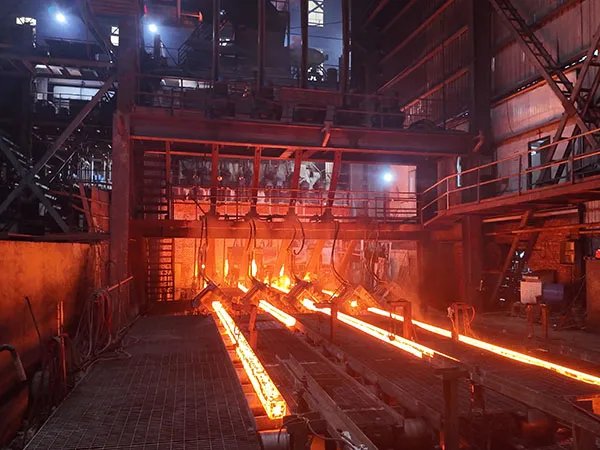
In modern metalworking operations, rolling mills are at the heart of production. Whether transforming steel sheets, aluminum coils, or specialty alloys, these machines ensure raw materials are converted into precise, high-quality products. Yet, despite their robust construction, rolling mills are subject to wear, stress, and operational challenges. Without a structured maintenance program, even minor issues can escalate into costly production interruptions.

Rolling Mill Maintenance Guide

Maintenance is more than a technical task—it is a strategic investment. Proper care not only ensures consistent performance but also protects product quality, reduces downtime, and maximizes the return on machinery investment.

Rolling Mill

1. Routine Inspection and Cleaning: Catch Problems Early

Daily inspections are the first line of defense against machine failures. Operators should check for:

Visible wear on rollers, bearings, and gear surfaces

Oil or lubricant leaks

Unusual noises or vibrations during operation

Signs of corrosion or contamination on mill surfaces

Regular cleaning prevents buildup of dust, metal particles, and residue, which can degrade the material quality and accelerate wear. For large-scale operations, maintaining a documented inspection checklist ensures no critical component is overlooked.

2. Lubrication Management: Reduce Friction, Prevent Overheating

Rolling mills operate under extreme friction and high temperatures, making lubrication crucial. Key practices include:

Using manufacturer-recommended lubricants for gears, bearings, and hydraulic systems

Scheduling lubrication at consistent intervals

Monitoring oil condition and replacing it before contamination affects performance

Proper lubrication reduces wear, prevents overheating, and ensures smooth, reliable operation. In practice, mills with disciplined lubrication programs often experience 20–30% fewer emergency repairs.

For more detailed information on rolling mill maintenance guidelines, please click to visit: https://www.gyssljx.com/a/news/rolling-mill-maintenance-guide.html

Rolling mill rolls are not just machine parts—they are the heart of metal rolling operations. Their condition directly impacts production efficiency, product quality, and operational costs. Premature roll failure can lead to unplanned downtime, scrap material, and significant financial losses.

Whether you operate a steel rolling mill, aluminum rolling plant, or general metal processing facility, extending the service life of rolls is critical. This guide provides practical, step-by-step strategies backed by real-world experience, helping your plant maximize roll longevity while maintaining consistent product quality.

How to Extend the Service Life of Rolling Mill Rolls

Rolling Mill Rolls

1. Select the Right Roll Material for Your Application

The choice of roll material is the foundation of roll durability. Common materials include:

Forged steel rolls: Offer excellent toughness and crack resistance, ideal for high-force steel rolling operations.

Cast steel rolls: More cost-effective, with good wear resistance, suitable for moderate-speed operations.

Alloyed and heat-treated rolls: Designed for high temperatures, abrasive conditions, or specialized metals like stainless steel and copper alloys.

Example: In a high-speed aluminum rolling line, using forged alloyed rolls with enhanced toughness can prevent chipping and surface pitting caused by repeated thermal stress.

For more detailed information on how to extend the service life of rolling mill rolls, please click to visit: https://www.gyssljx.com/a/news/how-to-extend-the-service-life-of-rolling-mill-rolls.html

In the metal processing industry, rolling mills are the cornerstone of producing steel, aluminum, and specialty alloys. Understanding the different types of rolling mills and their respective production processes is essential for optimizing efficiency, product quality, and operational reliability. This guide provides a detailed overview of the main rolling mill types and how they function.

Rolling Mill Types and Production Processes

Rolling Mill

1. Two-High Rolling Mill (Reversing Mill)

Overview:

The two-high rolling mill is one of the simplest and most widely used rolling mills. It consists of two opposing rollers through which metal is passed, then reversed for subsequent passes.

Production Process:

Preheating: Metal slabs are heated to the required plasticity in a furnace.

Rolling Pass: The slab passes through the top and bottom rollers, reducing its thickness.

Reversal: The slab is pulled back for additional passes until the target thickness is achieved.

Cooling & Finishing: The rolled metal is cooled and cut to the required dimensions.

Applications:

Steel sheets, plates, and structural beams.

Ideal for small-batch or low-volume production.

For more detailed information on rolling mill types and their production processes, please click to visit: https://www.gyssljx.com/a/news/rolling-mill-types.html

In today’s highly competitive metal processing industry, the production efficiency of rolling mills directly impacts a company’s capacity, cost structure, and market competitiveness. Even with continuous upgrades to modern production lines, many factories still face problems such as unstable operation, limited output, and high energy consumption. To truly improve the production efficiency of rolling mills, it’s not enough to just pursue speed; synergistic optimization is needed across equipment, processes, personnel, and management.

How to Improve Rolling Mill Production Efficiency

Rolling Mill

This article will explore how to systematically improve the production efficiency of rolling mills from six key dimensions, helping companies achieve stable, high-quality output at a lower cost.

1. Strengthening Equipment Maintenance System: The Foundation for Stable Operation

Rolling mills have complex structures, with components such as rollers, bearings, and gears subjected to high temperatures, high pressures, and high-speed operation for extended periods. Even minor wear can directly affect the precision of finished products and production speed. Therefore, establishing a scientific and executable maintenance system is crucial.

Implementable optimization measures include:

Developing a detailed inspection system: Regularly inspecting the surface wear, cracks, and hardness changes of the rolls, and promptly repairing or replacing them.

For more detailed information on how to improve rolling mill production efficiency, please click to visit: https://www.gyssljx.com/a/news/how-to-improve-rolling-mill-production-efficiency.html

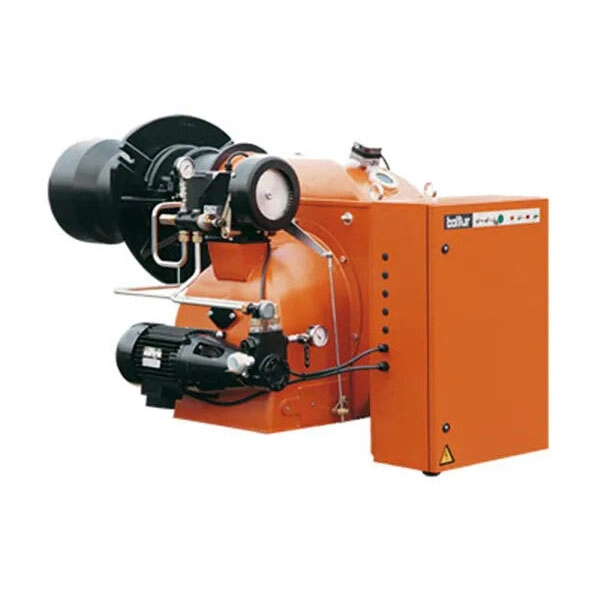
Industrial oil burners are crucial for manufacturing plants, processing facilities, and large heating systems. They provide reliable heat and power, but without proper care, these burners can experience reduced efficiency, increased fuel consumption, and unexpected downtime. A structured maintenance program ensures your equipment operates safely, efficiently, and within environmental standards—while also lowering operational costs.

Industrial Oil Burner Maintenance

Industrial oil burners

Why Regular Maintenance of Industrial Oil Burners Is Crucial

Neglecting routine maintenance can have significant consequences for both operational efficiency and costs. Some of the most common issues include:

1. Reduced Efficiency

Over time, soot and residue accumulate on the nozzle, combustion chamber, and electrodes, impairing fuel atomization. This leads to incomplete combustion, lower heat output, and wasted energy.

2. Higher Fuel Expenses

An inefficient burner consumes more oil to achieve the same production output, directly increasing operational costs.

3. Risk of Mechanical Failures

Critical components like pumps, motors, igniters, and valves can wear prematurely without regular inspection, leading to unplanned downtime and expensive repairs.

4. Environmental Compliance Risks

Burners that are poorly maintained emit higher levels of smoke, carbon particles, and other pollutants. Facilities may face fines or violations if emissions exceed regulatory limits.

A structured maintenance program ensures your burners operate efficiently, safely, and in compliance with environmental standards, protecting both your budget and your facility.

Key Practices for Effective Industrial Oil Burner Maintenance

1. Routine Cleaning

Residue buildup on nozzles, electrodes, and combustion chambers reduces performance over time.

Frequency: Monthly for heavy-use systems, quarterly for moderate use.

Method: Use soft brushes and non-abrasive cleaning agents; avoid harsh chemicals that could damage components.

For more detailed information on industrial oil burner maintenance, please click to visit: https://www.sxburner.com/a/news/industrial-oil-burner-maintenance.html

Industrial burners are the backbone of numerous manufacturing processes, from steel and chemical production to power generation and food processing. Their efficiency directly affects fuel costs, operational reliability, and compliance with environmental regulations. Improving combustion efficiency isn’t just about saving energy—it’s also about increasing safety, reducing maintenance, minimizing emissions, and prolonging equipment life. This guide provides actionable, industry-tested strategies to help companies optimize burner performance.

How to Improve Industrial Burner Combustion Efficiency

Industrial burners

1. Master the Fundamentals of Combustion

Efficient combustion occurs when fuel burns completely, producing maximum heat with minimal waste. Incomplete combustion leads to energy losses, soot buildup, and harmful emissions such as carbon monoxide (CO) and unburned hydrocarbons. Understanding the basics helps operators pinpoint inefficiencies:

Air-to-Fuel Ratio: Both excess and insufficient air can harm efficiency. Excess air cools the flame and wastes energy, while insufficient air produces CO and soot, reducing heat output.

Fuel Quality: Moisture, impurities, and calorific value affect flame stability. For example, high-moisture fuel may cause flame quenching, while contaminated fuels increase deposits and nozzle clogging.

Burner Design: The type and geometry of the burner dictate how air and fuel mix. Swirl burners, staged burners, or low-NOx burners are designed to improve mixing and heat transfer, increasing combustion efficiency.

Practical Tip: Document your burner’s baseline air-fuel ratios and fuel properties. Regularly compare actual flame behavior with design expectations to catch deviations early.

For more detailed information on how to improve the combustion efficiency of industrial burners, please click to visit: https://www.sxburner.com/a/news/how-to-improve-industrial-burner-combustion-efficiency.html

Oil burners are a cornerstone of many industrial and commercial heating systems, directly impacting efficiency, operational costs, and system longevity. Choosing the right burner type is not merely a technical decision—it affects fuel consumption, emissions, and maintenance schedules. Among the most commonly used burners are pressure jet oil burners and rotary cup oil burners. While both are designed to atomize fuel oil for combustion, they employ fundamentally different technologies, each with distinct advantages and limitations. Understanding these differences is essential for selecting the optimal burner for your specific application.

Difference Between Pressure Jet and Rotary Cup Oil Burners

Oil Burners

1. How Pressure Jet Oil Burners Work

Pressure jet burners, often called solid stream burners, rely on high-pressure pumps to force fuel oil through a precision nozzle. The oil emerges as a cone-shaped spray and is broken into fine droplets for combustion.

Key Features of Pressure Jet Burners:

High-pressure atomization: Typically operates at 100–300 psi, producing a consistent spray pattern and stable flame.

Simple construction: Fewer moving parts make these burners easier to maintain and repair.

Reliable performance: Well-suited for small to medium boilers, particularly when heating demands are steady.

Maintenance considerations: Nozzle cleaning is critical. Accumulated deposits can disrupt the spray pattern, affecting combustion efficiency.

Ideal Applications:

Pressure jet burners excel in systems with consistent heating needs and relatively uniform fuel quality. They are especially cost-effective for smaller industrial boilers, commercial heating systems, or older installations where simplicity and reliability outweigh high-efficiency demands.

For more detailed information on the difference between pressure jet and rotary cup oil burners, please click here:https://www.sxburner.com/a/news/difference-between-pressure-jet-and-rotary-cup-oil-burners.html