In upstream and midstream processing facilities, the performance of a three-phase separator often determines whether a production system runs smoothly or constantly struggles with instability. In oil and gas operations, where oil, water, and gas must be separated continuously under fluctuating field conditions, even minor disturbances can escalate into persistent operational issues. Among the most common and disruptive challenges are foaming and surging.

Although these problems are frequently discussed in general terms, their real impact becomes clear only when product specifications fail, downstream equipment overloads, or operators are forced into repeated manual interventions. Addressing foaming and surging is therefore not merely a matter of troubleshooting; it is a strategic effort to stabilize production, protect equipment, and improve long-term profitability.

Why Foaming and Surging Undermine Separator Performance

Foaming develops when gas disperses into liquid phases and forms stable bubbles that resist collapse. Instead of separating cleanly, the oil and water layers become mixed with gas-laden froth. This froth occupies valuable vessel volume and disrupts interface control. As a result, oil may carry excessive water content, and produced water may contain higher residual hydrocarbons, increasing the burden on downstream treatment systems.

Surging, by contrast, appears as abrupt oscillations in liquid levels or interface positions inside the separator. These fluctuations are often triggered by rapid variations in inlet flow rate, pressure shifts, or sudden gas breakout from the liquid phase. When surging occurs, level control valves struggle to maintain balance, leading to unstable discharge rates and, in severe cases, liquid carryover into gas outlets.

What makes these phenomena particularly problematic is their interdependence. Foam reduces the effective settling area and interferes with level detection, which can induce unstable control responses. Conversely, sudden level changes associated with surging can intensify turbulence and promote additional foam formation. Without targeted intervention, the system may enter a recurring cycle of instability.

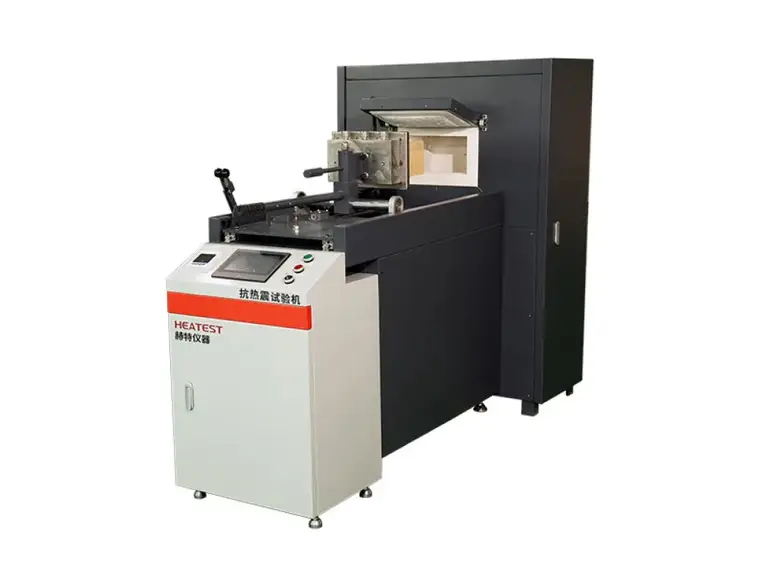
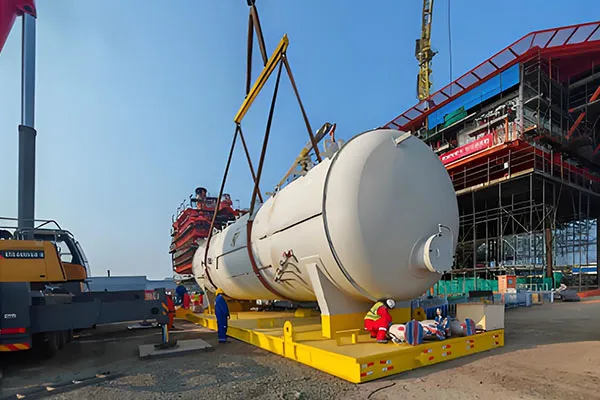
three-phase separator

Root Causes: Beyond Surface-Level Explanations

While high gas-oil ratios and fluctuating inlet conditions are obvious contributors, deeper analysis often reveals multiple interacting factors:

Naturally occurring surface-active compounds in crude oil that stabilize bubbles

Chemical additives introduced upstream for corrosion control or enhanced recovery

Inadequate inlet devices that fail to dissipate momentum effectively

Insufficient residence time caused by undersized vessels

Malfunctioning instrumentation that delays corrective control actions

In mature fields, increased water cut and declining reservoir pressure further complicate separation behavior. As operating envelopes change over time, separators originally designed for early production conditions may no longer function optimally. Recognizing this dynamic reality is essential when developing long-term solutions.

For more detailed information on how to eliminate foam and fluctuations in oil-water separators, please click here: https://www.zy-petrochemical.com/a/news/how-to-prevent-foaming-and-surging-in-three-phase-separators.html

In modern foodservice, retail, and cold chain operations, commercial freezers are not just storage equipment—they are critical assets that directly impact product quality, regulatory compliance, and operating costs. Whether in busy restaurant kitchens, supermarket backrooms, or large-scale food distribution centers, maintaining a stable low-temperature environment is essential.

However, many businesses tend to focus on compressors, refrigerants, and digital controllers, while overlooking one of the most fundamental yet vulnerable components: the freezer door gasket.

Although it appears to be a simple rubber seal, the door gasket plays a decisive role in maintaining internal temperature, preventing energy loss, and protecting stored goods. Once this component begins to degrade, the entire refrigeration system is forced to compensate—often silently at first, but with increasingly costly consequences over time.

This guide will help you clearly identify when your commercial freezer door gasket needs replacement, explain why timely action matters, and provide practical maintenance strategies based on real-world operational experience.

Why the Door Gasket Is More Important Than Most Operators Realize

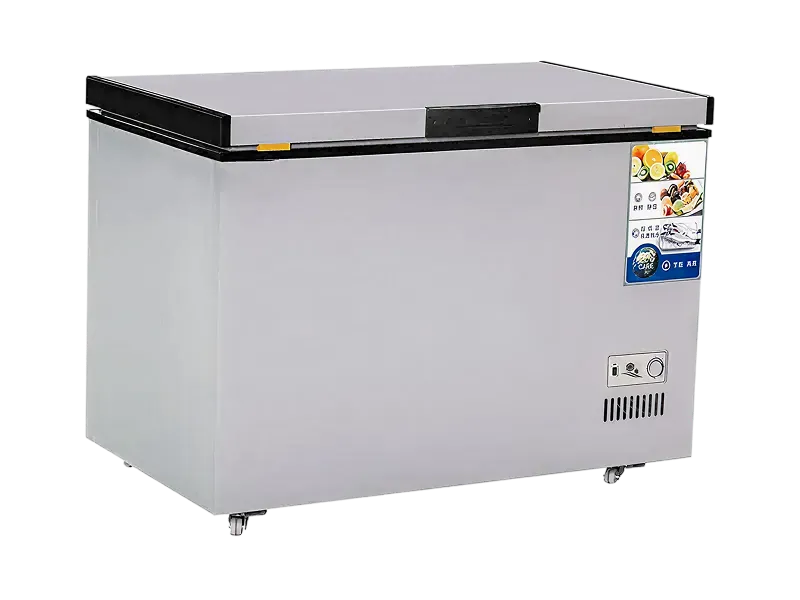
commercial freezer

A properly functioning gasket creates an airtight seal between the freezer door and cabinet. This seal prevents warm air infiltration and ensures that cold air remains contained inside the unit.

When the gasket fails, several chain reactions occur:

External warm air enters the freezer

Internal temperature becomes unstable

Frost begins to accumulate

The compressor runs more frequently

Energy consumption increases significantly

Over time, what starts as a minor seal issue can evolve into a system-wide efficiency problem. This is why experienced facility managers treat gasket inspection as a routine preventive maintenance task rather than a reactive repair.

7 Clear Signs Your Commercial Freezer Door Gasket Needs Replacement

1) Visible Cracks, Warping, or Deformation

The most direct and reliable indicator of gasket failure is physical damage.

With continuous exposure to low temperatures, frequent door openings, and mechanical stress, gasket materials such as PVC or rubber gradually lose elasticity. This leads to:

For more detailed information on how to determine when commercial freezer door seals need to be replaced, please click here: https://www.tzykitchenware.com/a/news/replacement-of-door-seals-for-commercial-freezers.html

In commercial kitchens, supermarkets, and cold storage facilities, refrigeration equipment operates almost non-stop. While most operators pay attention to temperature settings and routine inspections, one critical maintenance task is often overlooked: cleaning the condenser coils. Neglecting this simple procedure can gradually lead to reduced cooling efficiency, higher energy bills, and eventually, compressor failure—the most expensive component to replace in any refrigeration system.

This article explains not only how to clean commercial refrigerator coils, but also why it matters, how often it should be done, and what mistakes to avoid, based on real operational experience and industry best practices.

Why Dirty Coils Lead to Compressor Failure

The condenser coil plays a key role in heat exchange. It releases the heat absorbed from inside the refrigerator into the surrounding environment. However, in commercial environments—especially kitchens, bakeries, and food processing plants—these coils quickly accumulate dust, grease, flour particles, and airborne debris.

When coils become dirty, several problems occur:

Heat cannot dissipate effectively

The refrigeration system runs longer cycles

Internal pressure increases

The compressor works harder than designed

Over time, this continuous overload leads to overheating, lubrication breakdown, and ultimately compressor burnout. In many real-world cases, compressor failures are not due to manufacturing defects but long-term neglect of coil maintenance.

Signs Your Coils Need Cleaning

Before a major failure happens, your equipment often shows warning signs. Paying attention to these signals can save significant repair costs:

The refrigerator struggles to maintain set temperature

Noticeable increase in electricity consumption

The compressor runs continuously without cycling off

External surfaces feel unusually hot

Excessive noise or vibration from the unit

If any of these symptoms appear, coil inspection should be your first step—not compressor replacement.

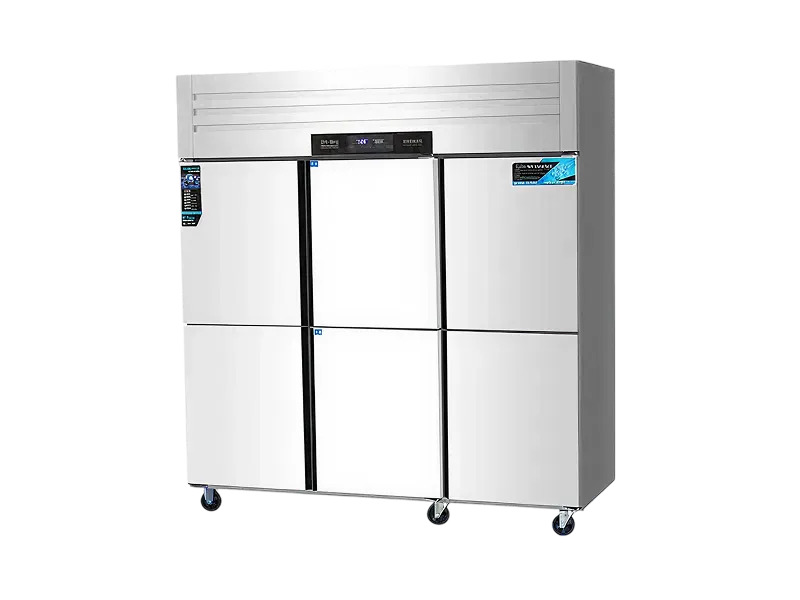
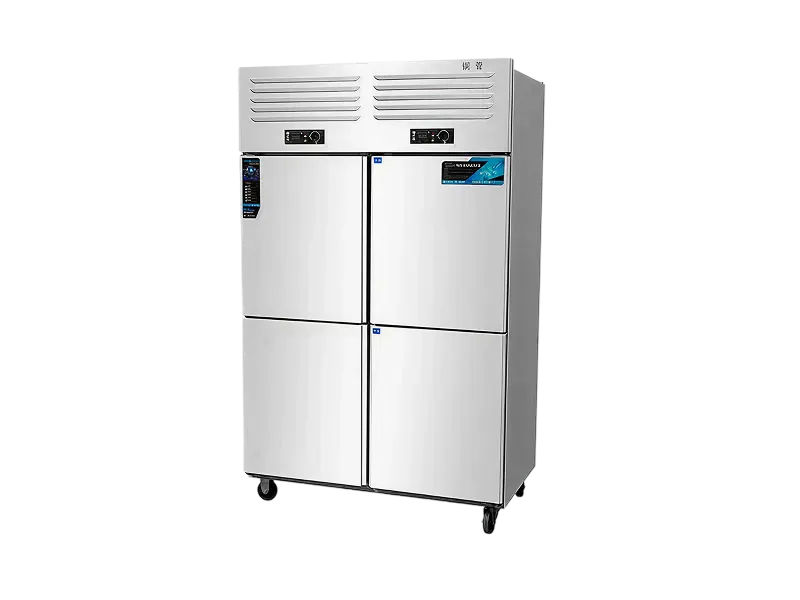
commercial refrigerator

Step-by-Step Guide to Cleaning Commercial Refrigerator Coils

Proper cleaning does not require highly specialized skills, but it must be done carefully to avoid damage.

For more detailed information on how to clean the condenser coils of commercial refrigerators, please click to visit: https://www.tzykitchenware.com/a/news/how-to-clean-the-coils-of-a-commercial-refrigerator.html

In the high-stakes environment of professional kitchens, supermarkets, and cold-chain logistics, a commercial refrigerator is not just an appliance—it is the silent guardian of your inventory and the heartbeat of your daily operations. When a unit fails, the clock starts ticking against your bottom line. From immediate food spoilage to the long-term erosion of energy efficiency, the costs of refrigeration neglect are staggering.

Troubleshooting Guide for Commercial Refrigerators

Commercial Refrigerators

This comprehensive guide delves deep into the anatomy of common commercial refrigeration failures, offering actionable solutions to keep your “cold chain” unbreakable.

1. The Invisible Profit Killer: Inadequate Cooling Performance

When your internal temperature starts creeping into the “Danger Zone” (above 40°F/4°C), your business risks more than just health department fines; it risks its reputation.

The Condenser Coil Crisis: Think of the condenser as the “lungs” of your fridge. In a busy kitchen, these coils quickly become choked with flour, grease, and dust. A clogged coil can increase energy consumption by up to 30%.

Expert Fix: Don’t just wipe them; use a dedicated coil brush and vacuum every 90 days.

The Silent Leak: Refrigerant doesn’t “wear out.” If levels are low, you have a leak. This is a chemical hazard and a mechanical strain.

Pro Tip: Look for oily residue around joints—this often indicates the precise location of a Freon leak.

Gasket Integrity: A 1mm gap in a door seal is equivalent to leaving a window open in winter.

The Paper Test: Close the door on a piece of paper; if it slides out easily, your gasket is failing and your compressor is overworking to compensate.

For more detailed information on troubleshooting guides for commercial freezers, please click here: https://www.tzykitchenware.com/a/news/troubleshooting-guide-for-commercial-refrigerators.html

In commercial kitchens, pharmaceutical warehouses, food processing plants, and laboratory facilities, the industrial vertical refrigerator is more than just cold storage. It is a critical asset that directly affects product safety, compliance, and operational efficiency.

As electricity prices continue to fluctuate globally and sustainability standards become stricter, many facility managers are re-evaluating how their refrigeration systems consume energy. In 2026, improving the performance of your industrial vertical refrigerator is no longer only about keeping temperatures stable. It is about reducing operating costs, extending equipment lifespan, and strengthening environmental responsibility.

Energy-Saving Techniques for Industrial Vertical Refrigerators

Industrial Vertical Refrigerators

Below is a comprehensive and practical guide to help overseas businesses maximize the efficiency of their commercial vertical refrigeration systems.

1. Start with the Right Industrial Vertical Refrigerator Configuration

Energy efficiency begins long before daily operation. It starts at the selection stage.

Choosing an oversized industrial vertical refrigerator may seem like a safe option, but excess storage volume increases unnecessary cooling demand. On the other hand, undersized units are forced to operate under constant strain, leading to higher compressor cycling and premature wear.

When evaluating new equipment in 2026, prioritize models that feature:

High-efficiency inverter compressors

Thick, high-density polyurethane insulation

Triple-layer tempered glass doors (for display models)

Intelligent temperature control modules

Low-energy fan motors

Modern industrial vertical refrigerators are increasingly equipped with adaptive cooling systems that adjust output according to internal load and ambient temperature. Selecting the correct capacity based on your daily storage volume and turnover rate will immediately reduce long-term electricity costs.

2. Placement Strategy Directly Impacts Energy Consumption

The environment around your industrial vertical refrigerator significantly influences its workload.

If the unit is placed near ovens, dishwashers, steam tables, or exposed to direct sunlight, the compressor must work harder to counteract external heat. This leads to continuous operation and elevated energy bills.

For more detailed information on how to improve the energy efficiency of industrial vertical refrigeration equipment, please click to visit: https://www.tzykitchenware.com/a/news/energy-saving-techniques-for-industrial-vertical-refrigerators.html

In today’s shipbuilding and marine engineering industry, the smallest components can have the biggest impact. Among these, pipe fittings play a critical role in ensuring the safety, efficiency, and longevity of marine vessels. Choosing the right material and working with a trusted manufacturer is not just a procurement decision—it’s a strategic investment in your vessel’s future.

Copper-nickel alloys, known for their outstanding durability and corrosion resistance, have become the material of choice for pipelines exposed to seawater and other harsh marine environments. This article explores why custom copper-nickel ship pipe fittings are essential, the advantages of custom manufacturing, and how to select a reliable supplier to ensure long-term performance.

Why Copper-Nickel Is the Ideal Material for Marine Applications

Marine pipelines face challenges that ordinary materials cannot withstand. Saltwater, high pressures, fluctuating temperatures, and biofouling make corrosion and mechanical failure common concerns. Copper-nickel alloys, typically composed of 70% copper and 30% nickel, or variations optimized for specific projects, are engineered to meet these challenges:

Exceptional corrosion resistance: Copper-nickel alloys resist pitting and crevice corrosion, which are prevalent in seawater environments. Unlike standard stainless steel or carbon steel, these alloys maintain structural integrity over long periods, even in high-salinity conditions.

Reduced biofouling: The smooth surface of copper-nickel discourages marine growth such as barnacles and algae, reducing the need for frequent cleaning and maintenance.

Durable under extreme conditions: Copper-nickel fittings can handle high-pressure and high-temperature conditions, making them ideal for critical systems such as engine cooling lines, ballast water pipelines, and seawater circulation systems.

These properties make copper-nickel the preferred choice for pipelines carrying seawater, cooling water, and other fluids critical to ship operations. Vessels using these alloys experience fewer interruptions, lower maintenance costs, and longer service life.

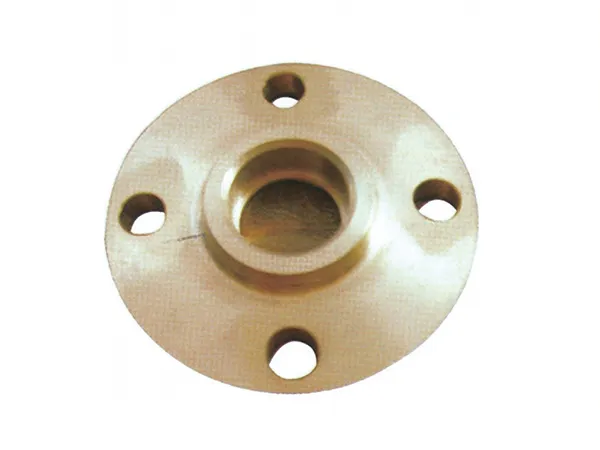
Copper-Nickel Ship Pipe Fittings

Advantages of Custom Copper-Nickel Fittings

While standard fittings are widely available, custom-manufactured solutions provide distinct benefits for modern marine projects:

1. Precision-Fit Designs

Every ship has unique specifications, and even minor deviations in pipe alignment can lead to leaks or operational inefficiencies. Custom fittings ensure exact dimensions that match your ship’s piping layout, reducing installation challenges and minimizing the risk of post-installation modifications.

For more detailed information on custom copper-nickel marine pipe fittings, please click to visit: https://www.zy-petrochemical.com/a/news/custom-copper-nickel-ship-pipe-fittings.html

In modern shipbuilding and marine engineering, the material selection for condenser tubes is a critical decision that directly affects engine performance, maintenance schedules, and overall vessel efficiency. Condenser tubes form the backbone of a ship’s cooling system, transferring heat from engines to seawater. Among available options, copper nickel (Cu-Ni) alloys have become the preferred choice for shipbuilders worldwide. But what makes copper nickel the go-to material in marine environments?

Advantages of Copper-Nickel Alloy Marine Condenser Tubes

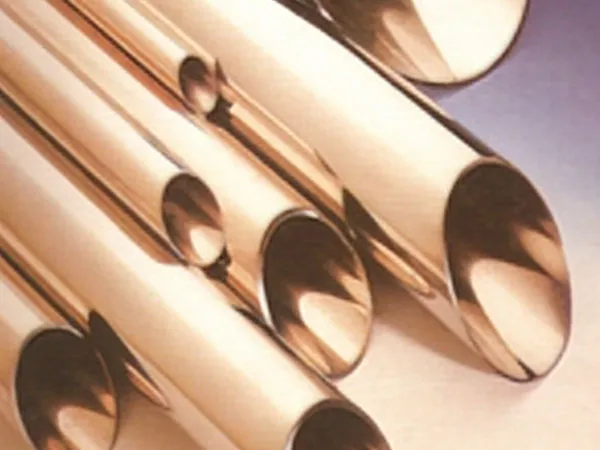
Copper-Nickel Alloy Ship Accessories

Exceptional Corrosion Resistance in Seawater

Marine conditions are harsh. Constant exposure to saltwater, combined with oxygen and varying temperatures, accelerates corrosion in many metals. Copper nickel alloys, typically in 70/30 or 90/10 copper-to-nickel ratios, offer superior resistance to pitting, crevice corrosion, and stress corrosion cracking, ensuring condenser tubes remain intact and reliable even after years of continuous use.

Pro Tip: For ships operating in high-salinity regions, selecting 90/10 Cu-Ni can further extend tube lifespan and reduce maintenance frequency.

Natural Resistance to Biofouling

Marine growth—such as algae, barnacles, and microorganisms—can cling to metal surfaces, reducing heat exchange efficiency. Copper nickel alloys naturally resist biofouling, significantly lowering maintenance needs and cleaning downtime. This advantage is especially critical for commercial vessels and naval fleets that require uninterrupted operation.

Superior Thermal Conductivity

Efficient heat transfer is the primary function of condenser tubes. Copper nickel alloys combine good thermal conductivity with exceptional corrosion resistance, ensuring engines maintain optimal operating temperatures. This improves fuel efficiency, reduces wear on mechanical components, and prolongs engine life.

High Strength and Durability

Copper nickel alloys also boast impressive mechanical strength and toughness, resisting erosion from high-speed seawater flow and maintaining integrity under high-pressure conditions. This makes them ideal not only for condenser tubes but also for other key marine components like piping systems, heat exchangers, and evaporators.

For more detailed information on why copper-nickel alloys are the ideal choice for marine condenser tubes, please click to visit: https://www.zy-petrochemical.com/a/news/advantages-of-copper-nickel-alloy-ship-accessories-in-marine-environments.html

Copper-nickel alloys have earned a solid reputation in the shipbuilding and marine engineering sectors. These materials are favored not only for their exceptional corrosion resistance but also for their mechanical stability, resistance to biofouling, and ability to withstand long-term immersion in seawater. They are widely used in components such as seawater piping systems, heat exchanger tubing, valve bodies, and various structural ship fittings.

Even though copper-nickel offers natural advantages over many other marine metals, neglecting proper maintenance can still shorten its service life or reduce system efficiency. This guide provides practical, experience-based maintenance methods that help ship operators, marine engineers, and maintenance teams keep copper-nickel alloy fittings in optimal condition.

How to Maintain Copper-Nickel Alloy Ship Fittings Maintenance

Copper-Nickel Alloy Ship Fittings

1. Perform Regular Cleaning to Minimize Biofouling

Although copper-nickel alloys inherently resist corrosion and microbial attachment better than stainless steel or carbon steel, they are not completely immune to marine growth. Over time, algae, barnacles, and shell organisms can accumulate on exposed surfaces, affecting water flow, heat transfer efficiency, and overall system performance.

Recommended Cleaning Methods

For more detailed information on how to maintain copper-nickel alloy marine components, please click to visit: https://www.zy-petrochemical.com/a/news/maintenance-of-copper-nickel-alloy-ship-fittings.html

In the marine engineering, shipbuilding, offshore energy, and desalination industries, few materials can withstand the long-term, harsh operating conditions like copper-nickel alloys (Cu-Ni). Facing challenges such as high salinity, strong corrosion, and marine organism adhesion, Cu-Ni alloys, with their stable physical properties and reliable service life, have gradually become a core material for many marine engineering projects.

As a supplier with many years of experience in manufacturing copper-nickel pipes and marine engineering components, we have consistently witnessed the superior performance of Cu-Ni alloys in the marine field in numerous practical projects.

Advantages of Copper Nickel Alloy in Marine Environments

Copper Nickel Alloy Ship Accessories

1. Excellent Seawater Corrosion Resistance

The seawater environment is extremely destructive: salinity, dissolved oxygen, and chloride ions all pose long-term threats to metals.

Copper-nickel alloys can form a dense, stable protective film in seawater, giving them extremely strong resistance to pitting and crevice corrosion, and automatically regenerating the protective layer after minor mechanical damage.

In our practical experience with numerous seawater cooling systems and high-salinity projects, we have found that using pipe fittings made of 90/10 Cu-Ni and 70/30 Cu-Ni materials can significantly reduce the frequency of corrosion maintenance, ensuring stable system operation for decades.

2. Natural Anti-Biofouling Capacity

Marine biofouling reduces equipment efficiency, increases drag, and can even cause blockages.

Copper-nickel alloys continuously release trace amounts of copper ions, effectively inhibiting the attachment of algae, barnacles, and shellfish. This “natural antifouling” property makes it particularly outstanding in hull cladding, seawater cooling systems, and offshore platforms.

Our Cu-Ni pipe fittings and connectors, supplied to numerous shipyards and desalination plants, significantly reduce cleaning frequency due to their anti-fouling properties, providing users with a clear advantage in operation and maintenance costs.

For more detailed information on the advantages of copper-nickel alloys in marine environments, please click to visit: https://www.zy-petrochemical.com/a/news/advantages-of-copper-nickel-alloy-in-marine-environments.html

In today’s fast-paced world, where mobility, efficiency, and sustainability are no longer optional but essential, portable and relocatable space capsule houses are emerging as a smart solution for modern living. Unlike traditional buildings, these compact and innovative structures provide unmatched flexibility, affordability, and rapid deployment—making them suitable for a wide range of applications, from temporary offices and emergency shelters to tiny homes and off-grid accommodations.

Why Space Capsule Houses Are Becoming the Go-To Choice

Space Capsule Houses

The demand for adaptable, space-efficient housing has grown exponentially in recent years. Factors such as rapid urbanization, the increasing frequency of natural disasters, and the global shift toward remote work have highlighted the need for homes and workspaces that can be set up quickly, moved easily, and expanded as needed. Space capsule houses meet these needs through smart design and practical functionality.

Key Advantages of Space Capsule Houses

1. Mobility and Flexibility

Designed for easy transportation via trucks, ships, or cranes, capsule houses can be relocated with minimal hassle. For businesses or individuals requiring temporary offices, seasonal housing, or mobile living solutions, this level of flexibility is a game-changer.

2. Fast Installation

Unlike conventional construction that may take months, space capsule houses can be assembled in just a few days. This makes them ideal for urgent housing situations, pop-up projects, or remote work camps.

3. Cost-Effective Solution

Lower construction expenses, reduced labor requirements, and minimal site preparation make space capsule houses a budget-friendly alternative to traditional buildings. They allow both businesses and individuals to save time and money without sacrificing quality.

4. Sustainable and Eco-Friendly

Many space capsule houses use recyclable materials and energy-efficient designs, supporting low-impact living. Their compact footprint reduces energy consumption and waste, aligning with broader sustainability goals.

For more detailed information on portable and relocatable Space sule home solutions, please click here: https://www.hbfrmsteel.com/a/news/portable-and-relocatable-space-capsule-house-solutions.html