
Roller bearing prices can vary sharply between suppliers, even for bearings that appear to have the same dimensions and load rating. For procurement teams and maintenance engineers, the challenge is not simply finding the lowest quote. It is understanding why one bearing costs more than another and whether that difference is justified. Price is shaped by raw material grade, manufacturing precision, heat treatment, quality control, order volume, brand positioning, lead time, and logistics. A cheap bearing can become expensive if it fails early, causes downtime, or damages adjacent components. This buyer guide breaks down the main cost drivers, compares value against price, and offers a practical framework for evaluating quotes. CHG Bearing works with buyers who need dependable roller bearings, so the focus here is on total cost, not just unit price.
Raw Material and Design Factors That Set the Base Price
The first layer of roller bearing pricing is physical. A bearing is not a commodity block of steel. Its material, geometry, and internal design determine how much it costs to produce and how long it will last in service.
Steel Grade and Heat Treatment
Most quality roller bearings use through-hardened or case-hardened bearing steel. Common grades include AISI 52100 and similar alloys. Higher-purity steel with fewer inclusions costs more because it improves fatigue life, toughness, and dimensional stability. Heat treatment is another major cost center. Controlled atmosphere furnaces, quenching, tempering, and cryogenic treatment add process time but reduce the risk of premature failure. A supplier that cuts corners on steel grade or heat treatment may offer a lower price, but the bearing may not survive shock loads, high speeds, or contaminated environments.
Bearing Type, Size, and Load Rating
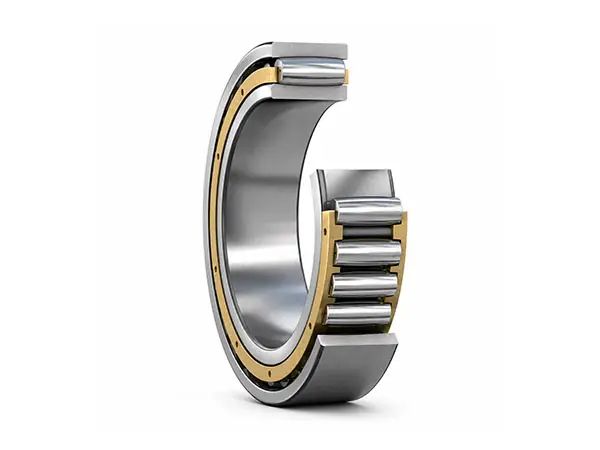
Roller bearings include cylindrical, spherical, tapered, and needle designs. Each type has different manufacturing complexity. A large spherical roller bearing with multiple rows, a machined brass cage, and a high load rating requires more material and more machining than a small needle roller bearing. Larger rings need more steel, more heat treatment capacity, and more grinding time. Complex internal geometry also increases tooling and inspection costs. When buyers compare quotes, they should confirm that the quoted bearing matches the required type, dimensions, dynamic load rating, and static load rating. A lower-cost substitute with a thinner ring or fewer rollers may not deliver the same service life.
Precision Class and Internal Clearance
ISO tolerance classes range from Normal to P6, P5, P4, and P2. Higher precision classes require tighter dimensional control, better grinding equipment, cleaner assembly rooms, and more frequent measurement. Internal clearance is equally important. A bearing with the wrong clearance can run hot, generate noise, or fail under preload. Manufacturers that stock many clearance ranges and precision classes carry more inventory and production planning costs. Those costs appear in the price, but they also give buyers a bearing that fits the application instead of forcing a compromise.
Seals, Cages, and Lubrication
Seals and shields protect the bearing from dust, water, and loss of lubricant. A simple stamped steel shield costs less than a heavy-duty contact seal. Cages can be stamped steel, machined brass, polyamide, or specialty alloys. Brass cages resist high temperatures and shock, while polyamide cages suit high-speed, lower-temperature duties. Lubrication also affects price. Standard grease is inexpensive, but high-temperature grease, food-grade lubricant, or oil injection systems add cost. For many buyers, the right seal and lubricant package prevents failures that cost far more than the initial price difference.
Manufacturing Process and Quality Control Costs
Two bearings can look identical from the outside and still have very different production histories. The manufacturing process and quality system are major reasons why roller bearing prices vary.
…
For more information on the factors affecting the price of roller bearings, as well as a detailed buying guide, please click here: https://www.chgbearingtech.com/blog/roller-bearing-prices-guide/