Steel producers face relentless pressure to improve yield, reduce energy consumption, and minimize unplanned downtime. While rolling mill automation retrofits promise operational gains, plant managers and executives need concrete evidence before committing capital. This article examines real-world ROI data from five factories that partnered with gyssljx to modernize their aging mill controls. Each case reveals distinct payback periods, throughput improvements, and maintenance cost reductions—providing a benchmark for your own investment decision.
Why ROI Matters in Rolling Mill Automation Retrofits
Automation retrofits are not merely technology upgrades; they are capital investments that must compete for budget against other production priorities. The primary ROI drivers in rolling mill modernization include:
- Reduced downtime: Legacy systems with obsolete parts cause unpredictable stoppages. Modern PLCs and drives improve reliability and diagnostic speed.
- Increased throughput: Precise speed and tension control allow higher rolling speeds with fewer cobbles.
- Energy savings: Variable frequency drives and optimized acceleration/deceleration profiles cut electricity consumption by 10–25%.
- Improved yield: Thicker head/tail crops and gauge drift are minimized with closed-loop feedback.
- Lower maintenance costs: Predictive analytics and remote monitoring reduce labor and spare parts inventory.
Five Factory Case Studies: Real-World ROI Outcomes
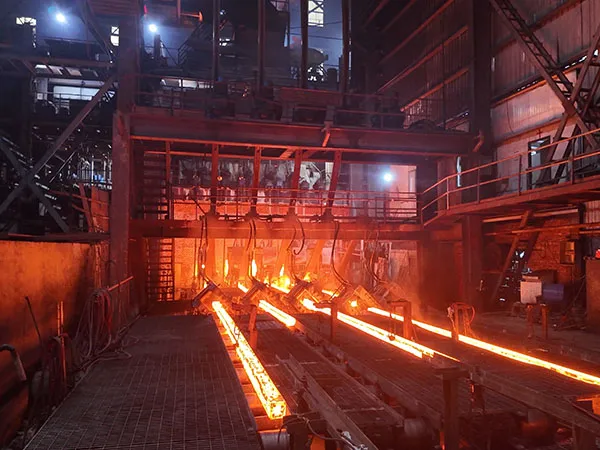
The following cases span different mill configurations—from single-stand reversing mills to multi-stand tandem lines. Each retrofit was executed by gyssljx using a phased approach to minimize production loss.
Factory A: Reversing Roughing Mill in China
This 1970s roughing mill operated with analog relay controls and DC drives from the 1980s. Downtime averaged 40 hours per month. gyssljx replaced the entire control system with a modern Siemens-based automation package and retrofitted AC drives on the main motor and table rollers.
Results after 12 months:
- Downtime reduced to 12 hours/month (70% reduction)
- Throughput increased by 18% due to faster screw-down response
- Energy consumption dropped 22%
- Total project cost: €1.2 million; payback period: 14 months
Factory B: Four-Stand Tandem Cold Mill in India
A 1990s cold mill suffered from inconsistent gauge tolerance (±25 microns) causing high scrap rates. gyssljx implemented an advanced mass-flow AGC system with hydraulic gap control and upgraded the HMI for operator guidance.
…
For more details on rolling mill automation upgrades—including case studies on return on investment (ROI) from five different plants—please click here: https://www.gyssljx.com/a/news/rolling-mill-automation-retrofits-roi-case-studies.html