
As the global cold chain industry continues to expand, the demand for high-performance cold storage facilities has never been greater. Whether storing perishable foods, temperature-sensitive pharmaceuticals, or industrial materials, the efficiency and reliability of a cold storage factory directly impact product safety, operational costs, and regulatory compliance. Among the available construction methods, steel structure cold storage factories have emerged as the preferred choice due to their structural strength, design flexibility, and long-term durability. However, constructing an effective facility involves far more than simply assembling steel beams—it requires a comprehensive approach that balances structural design, insulation performance, and operational efficiency.
Key Structural Requirements for Cold Storage Factories
Designing a cold storage steel structure begins with understanding the unique demands of the facility. Steel offers exceptional advantages over conventional construction methods. Its high load-bearing capacity allows for large, unobstructed interior spaces, which is critical for efficient pallet stacking, automated racking systems, and seamless forklift operation. In addition, steel structures can withstand seismic activity, heavy snow loads, and other environmental stresses, providing a reliable framework for long-term operation.
The layout of the factory must also prioritize workflow efficiency. Segregating zones for receiving, sorting, storage, and shipping ensures that goods move smoothly without congestion, while maintaining strict temperature zones. Designing wide aisles for forklifts, automated guided vehicles (AGVs), or conveyor systems reduces handling time and improves safety. Every aspect of the layout should consider the integration of refrigeration units, emergency exits, and maintenance access to minimize operational disruptions.
Compliance with local building codes and industrial regulations is non-negotiable. Cold storage environments often feature high humidity, which accelerates steel corrosion if untreated. Applying anti-corrosion coatings, galvanization, or stainless steel components in critical areas helps extend the structure’s lifespan. Fire safety is another key consideration—steel structures must include fireproofing measures, such as intumescent coatings or fire-rated panels, especially in zones storing flammable packaging or chemicals.
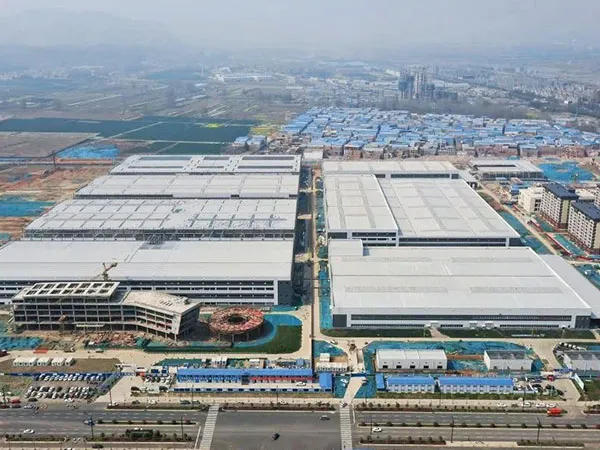
Cold Storage Steel Structure Insulation Solution
While structural integrity provides the backbone of a cold storage facility, insulation is the heart of its performance. Ineffective insulation leads to temperature fluctuations, higher energy consumption, and the risk of spoilage for sensitive goods. Choosing the right insulation material is critical and should be based on the storage requirements:
Frozen storage (-18°C or lower): High-density polyurethane (PU) or phenolic panels provide superior thermal resistance.
Chilled storage (0–5°C): Expanded polystyrene (EPS) panels offer cost-effective thermal performance for moderate temperature zones.
Pharmaceutical or specialty storage: Advanced composite foams with low thermal conductivity maintain precise temperature and humidity control.
Proper installation is equally important. Even high-quality panels will underperform if poorly fitted. Avoiding thermal bridges—areas where heat can transfer through gaps or structural connections—is essential. Panels must be tightly sealed around doors, penetrations for HVAC ducts, electrical conduits, and piping. Specialized gaskets and sealants prevent cold air leakage, while ensuring easy access for operational needs. Insulation thickness should be carefully calculated according to facility dimensions, local climate conditions, and target energy efficiency, balancing upfront costs with long-term operational savings.
…
For more detailed information about cold storage steel structure insulation solutions, please click to visit: https://www.meichensteel.com/a/news/cold-storage-steel-structure-insulation-solution.html