
Blog
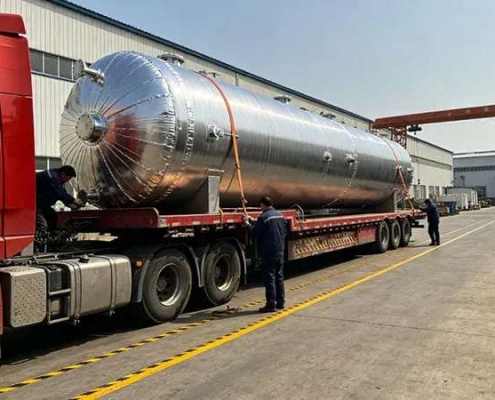 https://www.tb-polishing-pads.com/wp-content/uploads/2026/04/ec6c126d-3fb4-11f1-92cf-93142ba9cb42.jpg
450
600
TB垫
https://www.tb-polishing-pads.com/wp-content/uploads/2019/03/logo.jpg
TB垫2026-09-29 17:02:452026-09-29 17:02:45How to Size an Electrostatic Coalescer for Your Production Rate
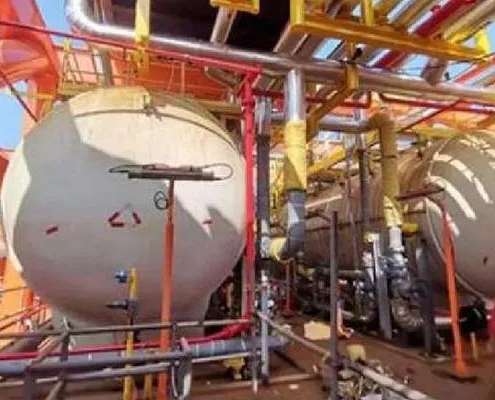 https://www.tb-polishing-pads.com/wp-content/uploads/2026/03/51bdd849-1833-11f1-92cf-93142ba9cb421.jpg
400
600
TB垫
https://www.tb-polishing-pads.com/wp-content/uploads/2019/03/logo.jpg
TB垫2026-09-29 16:54:022026-09-29 16:54:02Zhengyuan Petrochemical Proudly Announces ABS PDA Certification for Copper-Nickel Alloy Pipe Fittings
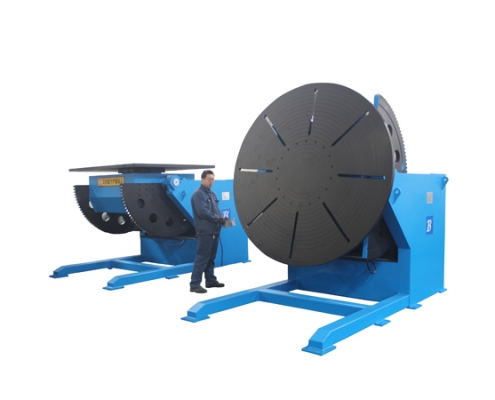 https://www.tb-polishing-pads.com/wp-content/uploads/2026/09/Flip__Turn_Welding_Positioner1.jpg
450
600
TB垫
https://www.tb-polishing-pads.com/wp-content/uploads/2019/03/logo.jpg
TB垫2026-09-29 16:51:432026-09-29 16:51:43How to Maintain Your Wind Tower Welding Rotator for 20+ Years
https://www.tb-polishing-pads.com/wp-content/uploads/2026/04/ec6c126d-3fb4-11f1-92cf-93142ba9cb42.jpg
450
600
TB垫
https://www.tb-polishing-pads.com/wp-content/uploads/2019/03/logo.jpg
TB垫2026-09-29 16:50:322026-09-29 16:50:32Comparing AC vs. DC Electrostatic Coalescers for Water Removal
 https://www.tb-polishing-pads.com/wp-content/uploads/2026/09/Electromechanical_Anti-Drift_Welding_Rotator1.jpg
450
600
TB垫
https://www.tb-polishing-pads.com/wp-content/uploads/2019/03/logo.jpg
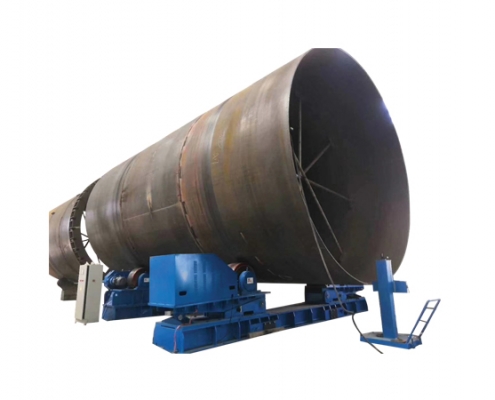
TB垫2026-09-29 16:43:492026-09-29 16:43:49Dual-Head Rotator for Simultaneous Welding of Tower Flanges
 https://www.tb-polishing-pads.com/wp-content/uploads/2026/09/3_Axis_Welding_Positioner1.jpg
450
600
TB垫
https://www.tb-polishing-pads.com/wp-content/uploads/2019/03/logo.jpg
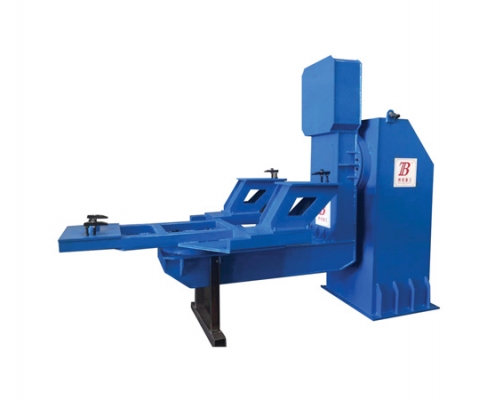
TB垫2026-09-29 16:35:542026-09-29 16:36:20Solving Weld Distortion: Adaptive Rotation for Wind Towers