
Installing an above ground oil water separator is not a plug-and-play task. It requires careful site evaluation, proper foundation work, correct piping connections, and thorough commissioning. Each decision—from where the unit sits to how the discharge line slopes—affects separation efficiency, regulatory compliance, and long-term maintenance costs. Whether you are replacing an aging system or specifying a new unit for an industrial facility, the following installation tips will help you avoid common mistakes and get the system running correctly the first time.
Pre-Installation Site Assessment
Before any equipment arrives on site, conduct a thorough assessment of the installation area. This step determines whether your chosen location can support the separator’s weight, drainage needs, and service access requirements.
Choosing the Right Location
The ideal location balances proximity to the water source with practical access for maintenance crews and vacuum trucks. Consider these factors:
- Distance from the source: Keep the separator as close as practical to the point where oily water is generated. Longer runs increase the chance of emulsification and require more slope.
- Vehicle access: Vacuum trucks need a clear, stable path to the unit for periodic sludge removal. A minimum 12-foot wide access road with adequate turning radius is a good rule of thumb.
- Flood risk: Avoid low-lying areas prone to standing water. If the site floods, the separator can become inundated, reversing the separation process and pushing oil downstream.
- Future expansion: Leave room for additional capacity or a second unit if your operation may grow.
Verifying Regulatory Requirements
Local, state, and federal regulations govern oil water separator discharge limits. Before installation, confirm the allowable oil and grease concentration for your jurisdiction—many municipalities set a limit of 100 mg/L or lower. You may also need a discharge permit or a pretreatment agreement. Overlooking this step can result in fines and forced system modifications after installation.
Working with an experienced manufacturer such as Zhengyuan Petrochemical can streamline this phase, as they often provide documentation and guidance tailored to regional compliance standards.
Foundation and Ground Preparation
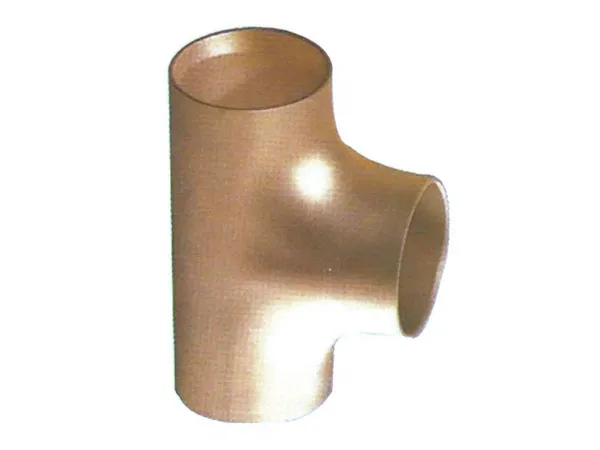
The foundation bears the full weight of the separator, the water inside it, and any associated piping and access structures. A poorly prepared base leads to settling, misalignment, and cracked tanks.
Base Construction Guidelines
For most above ground units, a reinforced concrete pad is the standard choice. Key specifications include:
- Thickness: Typically 6 to 8 inches of reinforced concrete, though larger units may require more.
- Levelness: The pad must be level within a tolerance of approximately 1/8 inch per foot to ensure even flow distribution inside the separator.
- Compaction: Subgrade soil should be compacted to at least 95% standard Proctor density before pouring concrete.
- Freeboard: Elevate the pad slightly above surrounding grade to prevent surface water from entering the unit.
If a concrete pad is not feasible, a compacted gravel base with a geotextile liner can work for smaller units, but verify with the manufacturer before proceeding.
Proper Placement and Leveling of the Separator
Once the foundation has cured, position the separator using a crane or forklift rated for the wet weight of the unit. Never attempt to move a partially filled separator. After placement, verify levelness in both directions using a spirit level or laser level.
If the unit is not level, the internal baffles and coalescing media will not function as designed. Water may short-circuit through the oil layer, and sludge may accumulate unevenly. Adjust the unit using stainless steel shims, then secure it to the pad with anchor bolts.
Piping Connections and Flow Considerations
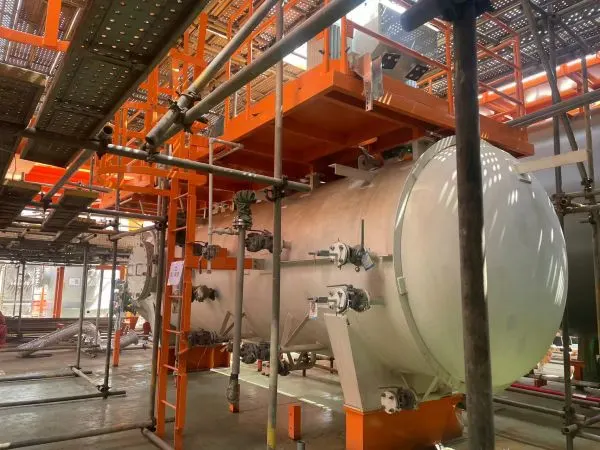
Piping is where many installations go wrong. Incorrect pipe sizing, inadequate slope, or improper venting can undermine even the best separator design.
…
For more detailed information on installation tips for above-ground oil-water separators, please click here: https://www.zy-petrochemical.com/a/news/oil-water-separator.html