
Facility managers rarely have the luxury of choosing office furniture based on appearance alone. Every purchase decision must survive scrutiny from finance, procurement, and operations teams who care about one thing above all else: total cost of ownership. Steel office furniture consistently earns its place in that conversation. From heavy-duty filing cabinets to modular workstation systems, steel offers a combination of durability, hygiene, and recyclability that few other materials can match. Understanding why steel outperforms wood, laminate, and plastic in commercial environments helps explain why it remains a specification standard across industries, and why suppliers like LAKSHYO continue to see steady demand from facility teams who prioritize long-term performance over short-term savings.
Total Cost of Ownership: Where Steel Changes the Equation
The sticker price of furniture tells a misleading story. A laminate desk might cost less upfront than a steel-framed equivalent, but that gap narrows quickly once you account for replacement cycles, repair labor, and disposal costs. Steel furniture typically delivers a service life of 15 to 20 years in standard office conditions, compared to five to eight years for most wood-composite alternatives. That difference compounds across hundreds of units.
Facility managers who track spending across multiple budget cycles recognize that steel reduces three major cost categories:
- Replacement frequency: Steel resists warping, swelling, and cracking from humidity changes, so it does not need to be swapped out when HVAC systems fluctuate.
- Repair and refinishing: Powder-coated steel surfaces can be touched up locally without full replacement, whereas damaged veneer or laminate often means a complete unit loss.
- Disposal and procurement overhead: Fewer replacement cycles translate directly into fewer purchase orders, delivery appointments, and waste removal fees.
When you divide the purchase price by the number of usable years, steel almost always wins. That calculation is the first thing experienced facility managers run before submitting a capital request.
Durability Under Real-World Office Conditions
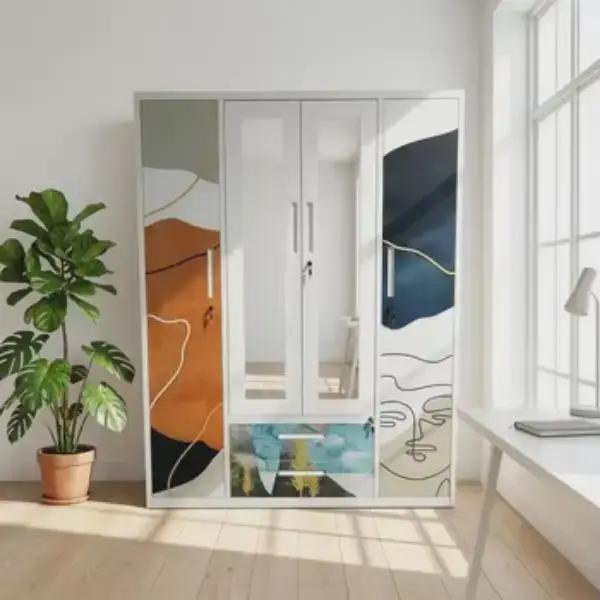
Office environments are harder on furniture than most people assume. Chairs roll into desk edges hundreds of times per week. File drawers open and close with heavy loads. Cleaning crews move equipment through tight aisles. Steel absorbs this punishment without showing fatigue.
Structural Integrity
Steel frames and panels hold their shape under static and dynamic loads that would cause particleboard to sag or crack. A steel lateral file cabinet rated for 150 pounds per drawer does not develop the bowing that eventually jams wooden drawers. This matters in records-heavy departments, mailrooms, and archiving areas where load demands are constant rather than occasional.
…
For more details on why facility managers prefer steel office furniture, please click here: https://www.lakshyofurniture.com/news-center/steel-office-furniture/