
Office safety is often discussed in terms of signage, training, and emergency procedures, yet the furniture employees use every day plays a direct role in preventing accidents. A filing cabinet that tips, a shelf that collapses under heavy binders, or a storage unit that fuels a fire can turn a routine workday into a serious incident. Steel furniture improves office safety by combining structural strength, non-combustible materials, secure storage, and easy maintenance. For businesses evaluating upgrades, understanding how steel furniture reduces risk is the first step toward a safer workplace. Suppliers such as LAKSHYO can help translate those safety requirements into practical furniture specifications.
Why Office Safety Begins With Furniture
Every office contains furniture that employees touch, move, open, and lean on dozens of times each day. When that furniture fails, the consequences can range from minor cuts to serious crush injuries, falls, and fire-related losses. Safety planners frequently focus on electrical systems and emergency exits, but furniture is part of the same risk environment. A storage cabinet with weak shelves can collapse. A locking unit that is easy to force open can expose confidential records. A desk with poor cable management can create trip hazards and heat buildup around power supplies.
Steel furniture addresses these risks at the material and design level. Steel is strong, dimensionally stable, and non-combustible. It does not absorb moisture, harbor pests, or warp under load in the way wood and laminate can. When specified correctly, steel furniture becomes a long-term safety asset rather than a decorative item that must be replaced every few years.
How Steel Furniture Reduces Workplace Hazards
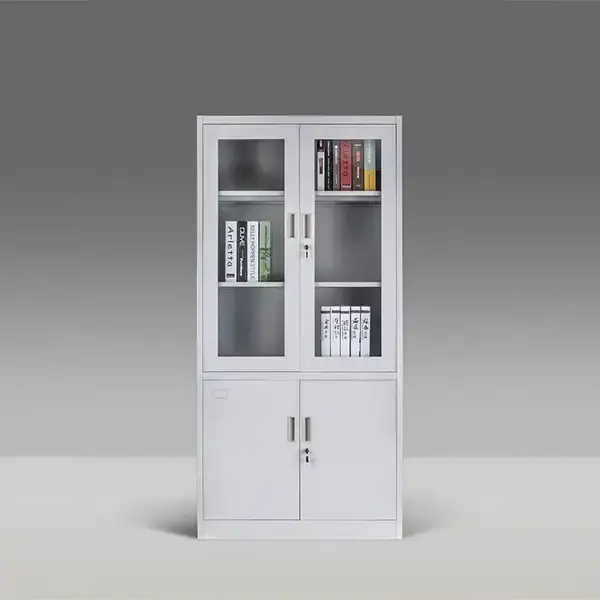
Fire Resistance and Lower Fire Load
Steel does not ignite and does not add fuel to a fire. In an office, this matters most in storage-heavy areas: file rooms, archives, IT closets, and corridors used for evacuation. Wood, particleboard, and some plastics can contribute to fire spread and smoke production. Steel cabinets and desks reduce the combustible load in these spaces. Steel is not a substitute for a complete fire protection strategy, and fire-rated assemblies should be specified where required. Still, choosing non-combustible furniture supports containment and gives occupants more time to respond.
Structural Strength and Load Stability
Office storage is often overloaded. Binders, paper, laptops, monitors, and equipment add up quickly. Steel frames and shelves resist bending, cracking, and sudden failure better than many alternative materials. Welded or reinforced joints help maintain shape under daily use. Adjustable shelving can be positioned to handle heavy items safely, while reinforced bottoms prevent sagging. A stable cabinet or desk reduces the chance of a collapse that could injure an employee or damage expensive equipment.
…
For more details on how steel furniture can enhance office safety, please click here: https://www.lakshyofurniture.com/news-center/safe-steel-office/