
When considering a new home, fire resistance and long-term durability are non-negotiable. Light steel construction has emerged as a leading solution that meets both demands, offering structural integrity that outperforms traditional materials. This article explains the core principles behind fire-resistant and durable light steel homes, helping you make an informed decision for your next project. HBFRM STEEL brings years of expertise to this innovative building method, ensuring safety and longevity without compromising design flexibility.
Why Fire Resistance Matters in Modern Construction
Fire remains one of the most devastating risks for homeowners. Building codes increasingly require materials that can withstand high temperatures and slow flame spread. Light steel framing, unlike wood, is non-combustible because steel does not ignite or contribute fuel to a fire. The steel frame itself maintains its structural integrity at temperatures up to 1000°F (538°C) when properly protected, buying precious time for occupants to evacuate and for firefighters to respond.
How Light Steel Achieves Fire Ratings
Light steel homes typically achieve fire ratings of 1 to 2 hours depending on the assembly. Key factors include:
- Non-combustible framing: Galvanized steel studs and tracks do not burn or produce toxic smoke.
- Fire-rated gypsum board: When installed as a thermal barrier, it delays heat transfer to the steel.
- Mineral wool insulation: Used in cavity walls, it melts only at very high temperatures and slows fire spread.
HBFRM STEEL ensures that all components meet or exceed ASTM E119 standards for fire resistance, giving homeowners peace of mind.
The Science Behind Light Steel’s Durability
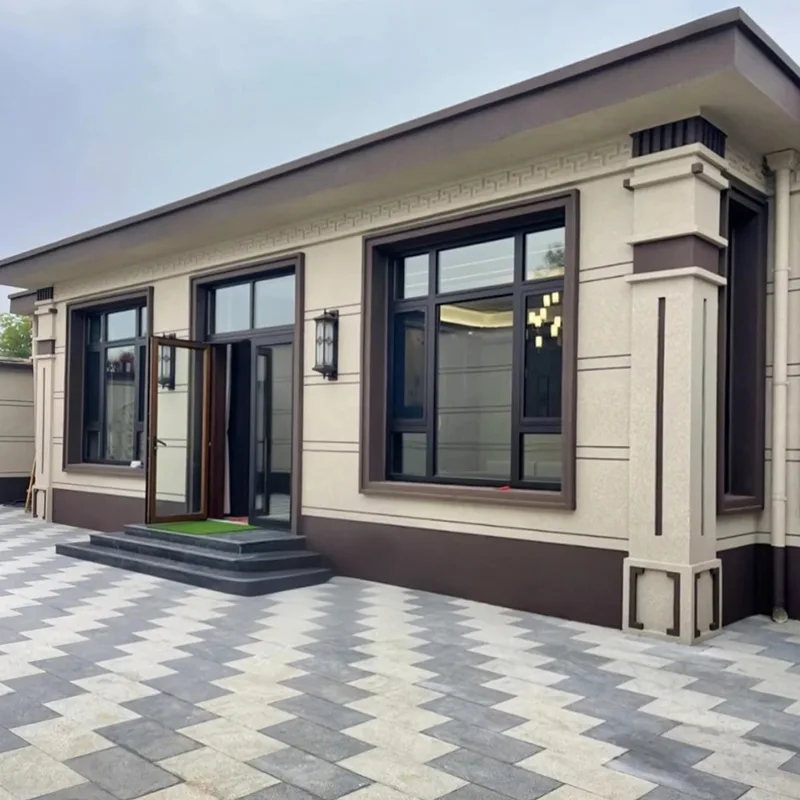
Durability in a home means resisting moisture, pests, corrosion, and structural fatigue over decades. Light steel excels in all these areas. Unlike wood, steel does not warp, rot, or attract termites. The zinc coating (galvanization) applied to steel members provides excellent corrosion resistance, even in humid or coastal environments. Proper design and detailing by experts like HBFRM STEEL eliminate thermal bridging and condensation risks.
Key Durability Advantages
- Pest-proof: Termites, carpenter ants, and rodents cannot damage steel.
- Dimensional stability: Steel does not expand or contract with humidity changes, so walls stay straight and windows fit properly.
- Seismic and wind resistance: Light steel structures are ductile and can be engineered to withstand earthquakes and hurricanes up to 180 mph.
- Longevity: A well-built light steel home can last 100+ years with minimal structural maintenance.
…
For more detailed information on fire-resistant and durable light steel structure houses, please click to visit:https://www.hbfrmsteel.com/a/news/light-steel-homes-fire-resistant.html