
Cement kilns represent one of the most thermally demanding industrial environments, where the combustion system must maintain precise temperature profiles while enduring continuous operation under extreme conditions. The choice of a heavy duty industrial burner directly impacts clinker quality, energy efficiency, and overall plant uptime. For plant managers and procurement specialists evaluating options, two attributes stand above all others: temperature control and long-term reliability. This article examines the technical parameters that define high-performing cement kiln burners and explains why SHUXIN has become a trusted name in this specialized field.
Understanding the Temperature Demands of Cement Kilns
The cement manufacturing process requires sustained temperatures between 1400°C and 1500°C in the sintering zone to facilitate clinker formation. Achieving and maintaining this thermal environment demands a burner capable of delivering a stable, high-intensity flame with minimal fluctuation. Factors such as fuel type (coal, petcoke, natural gas, or alternative fuels), kiln diameter, and preheater configuration all influence the required flame characteristics.
The Science of Clinker Formation
Clinker formation is a complex sequence of chemical reactions that begins at approximately 900°C and accelerates above 1300°C. If the burner cannot maintain a consistent thermal profile, incomplete reactions occur, leading to reduced clinker quality, increased free lime content, and higher specific heat consumption. Modern heavy duty burners must therefore integrate advanced aerodynamic designs to shape the flame and control the temperature distribution along the kiln length.
Temperature Uniformity and Its Impact
Temperature uniformity is critical for avoiding hot spots that damage refractory lining and cold zones that compromise clinker mineralogy. A well-designed industrial burner creates a primary combustion zone with controlled swirl and axial momentum, ensuring the flame fills the kiln cross-section without impinging on walls. This uniformity directly translates to longer refractory life, lower maintenance costs, and consistent product quality.
Key Reliability Factors in Heavy Duty Industrial Burners
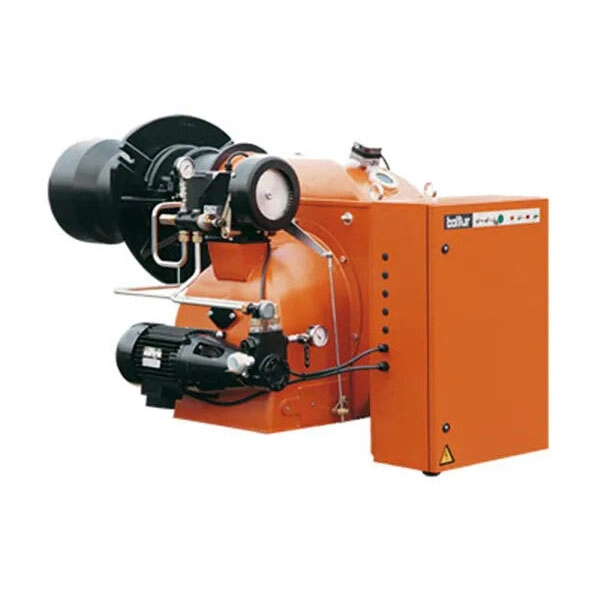
Reliability in cement kiln burners is not a single attribute but a combination of material science, engineering design, and system integration. Burners must withstand thermal cycling, abrasive fuel particles, and corrosive flue gases for years without performance degradation.
Materials and Construction
Critical components such as the burner nozzle, tips, and refractory lining are fabricated from high-temperature alloys and ceramics that resist creep, oxidation, and thermal shock. SHUXIN employs proprietary casting processes and selects alloys with chromium and nickel content optimized for the aggressive environment inside a cement kiln. The result is a burner body that maintains structural integrity even after thousands of hours of operation.
…
For more detailed information on heavy industrial burners for cement kilns: temperature and reliability, please click to visit: https://www.sxburner.com/a/news/heavy-duty-industrial-burners-for-cement-kilns.html