
Heavy-duty steel structure buildings have become the backbone of modern industrial construction. Manufacturers, logistics operators, and infrastructure developers rely on these buildings for their strength, durability, and flexibility. However, many buyers quickly discover that pricing varies widely from one project to another. A warehouse with a similar footprint may cost significantly more than another, even when both appear comparable on the surface.
Factors Affecting the Price of Heavy-Duty Steel Structure Buildings
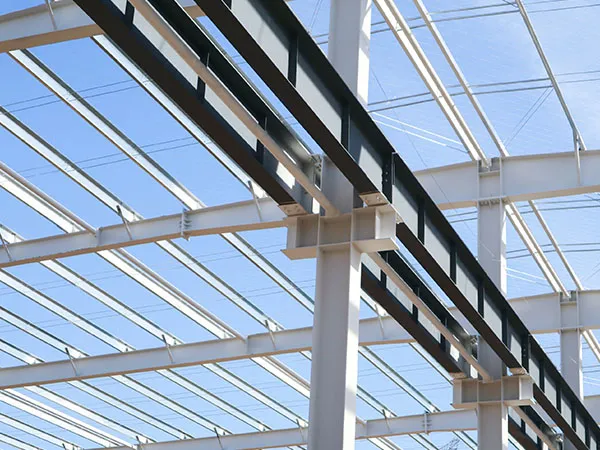
This article explains the real factors that influence the price of heavy-duty steel structure buildings. It aims to help decision-makers understand cost drivers, avoid hidden expenses, and make smarter investment choices while meeting performance and safety requirements.
1. Steel Material Cost and Market Fluctuations
Steel accounts for the largest portion of the total building cost. The grade, thickness, and type of steel directly influence pricing. High-strength structural steel typically costs more than standard carbon steel, but it can reduce overall material consumption by improving load-bearing capacity.
In addition, global steel prices are highly sensitive to raw material supply, energy costs, and geopolitical factors. When iron ore prices or energy tariffs increase, the cost of fabricated steel components rises accordingly. Buyers who monitor market cycles or lock in contracts at the right time can significantly reduce procurement costs.
2. Building Design Complexity
Design complexity plays a crucial role in determining the final price. A simple rectangular warehouse with standard spans will always be more economical than a structure with multiple levels, irregular geometry, or specialized load requirements.
For example, buildings that must support heavy cranes, large machinery, or dynamic loads require reinforced beams and columns. These enhancements increase both material usage and fabrication complexity. Similarly, customized architectural elements, such as curved roofs or large cantilever sections, demand advanced engineering and precision manufacturing, which adds to the cost.
A well-optimized design does not simply reduce steel usage; it balances structural safety, fabrication efficiency, and installation convenience.
3. Fabrication and Processing Requirements
The cost of fabrication depends on how the steel components are processed before delivery. Standard cutting, welding, and drilling are relatively cost-efficient. However, projects that require CNC precision cutting, robotic welding, or complex assembly processes will incur higher manufacturing expenses.
…
For more detailed information on the factors influencing the price of heavy steel structure buildings, please click to visit: https://www.meichensteel.com/a/procurement-guides/factors-affecting-the-price-of-heavy-duty-steel-structure-buildings.html